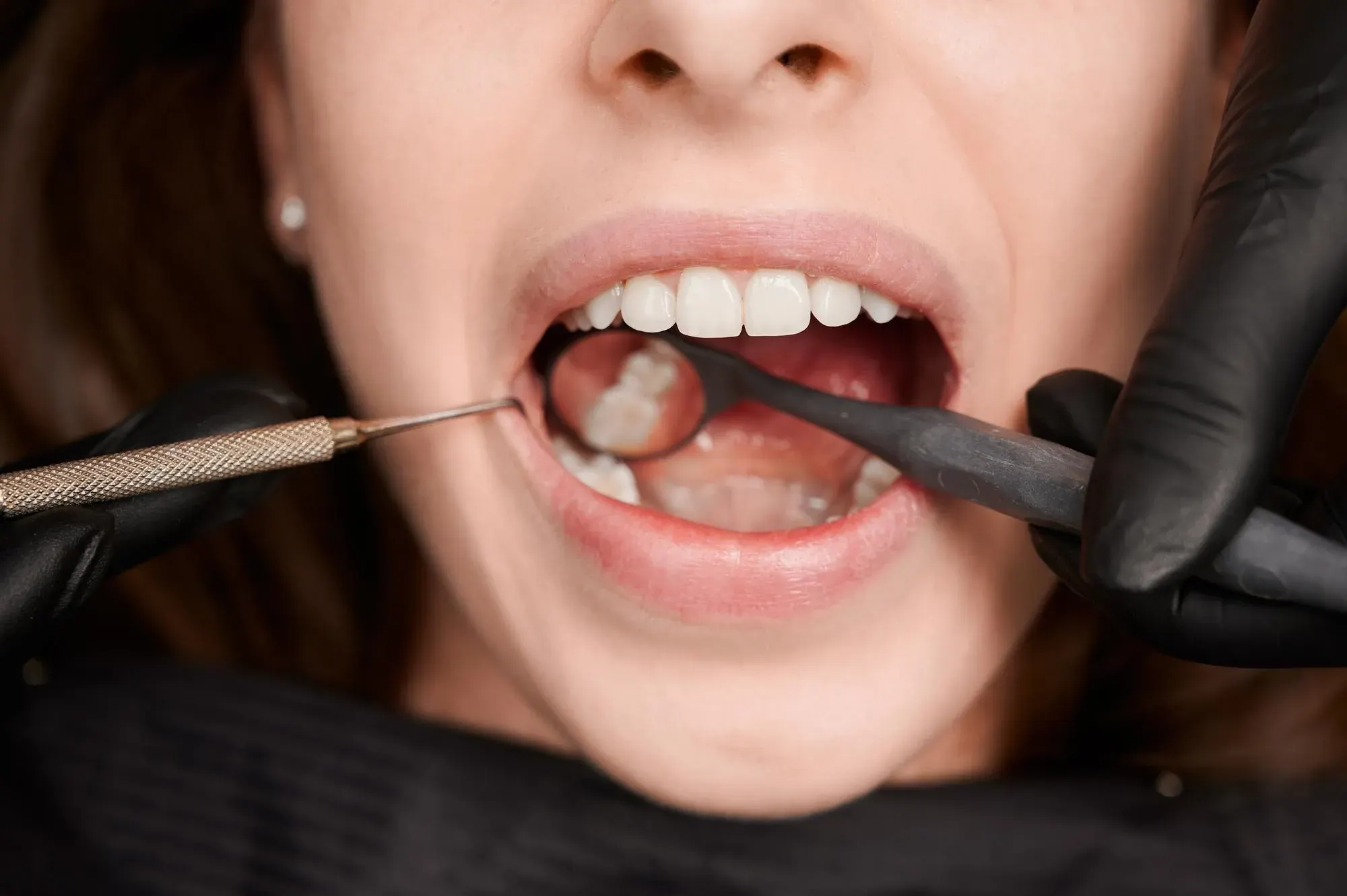

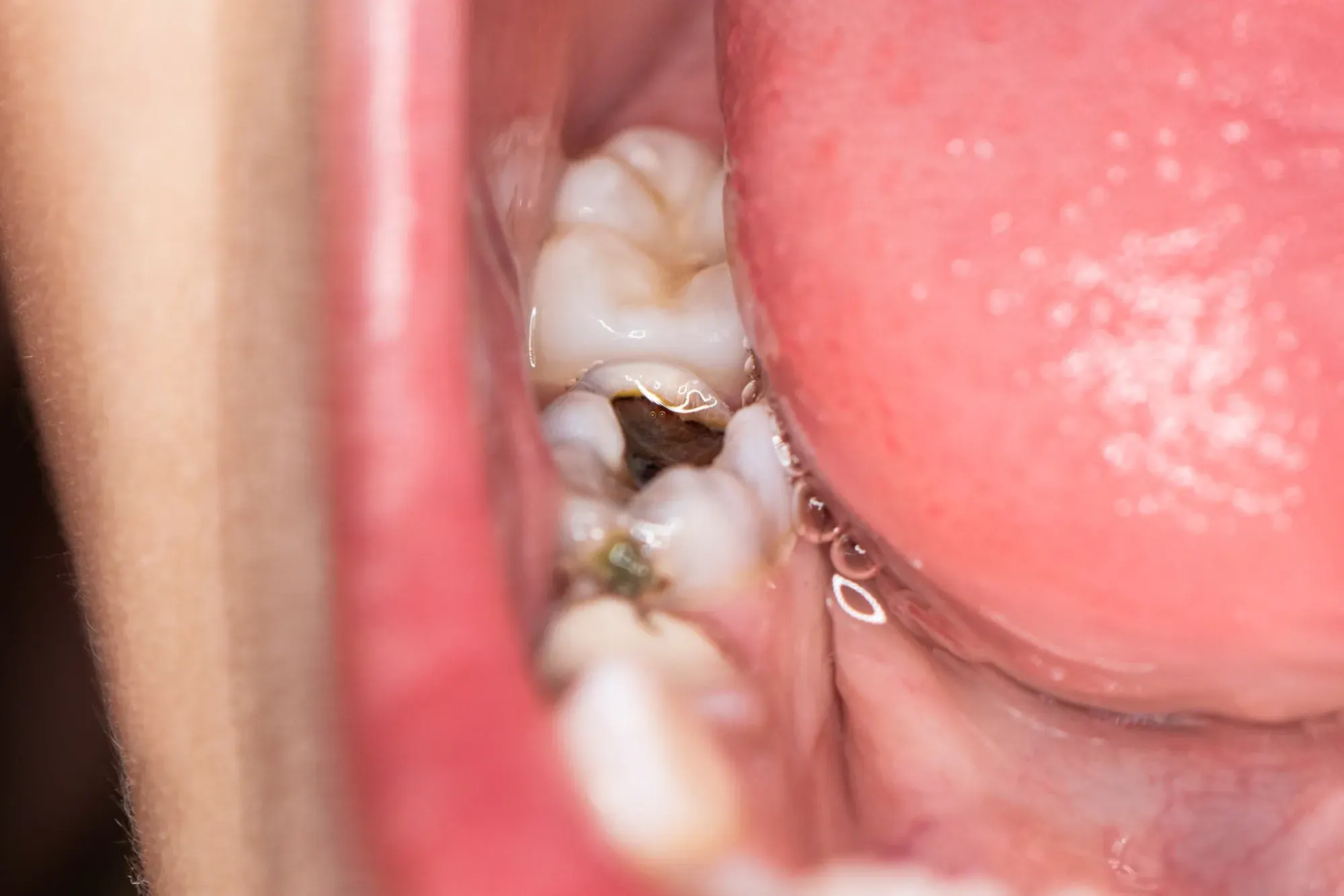
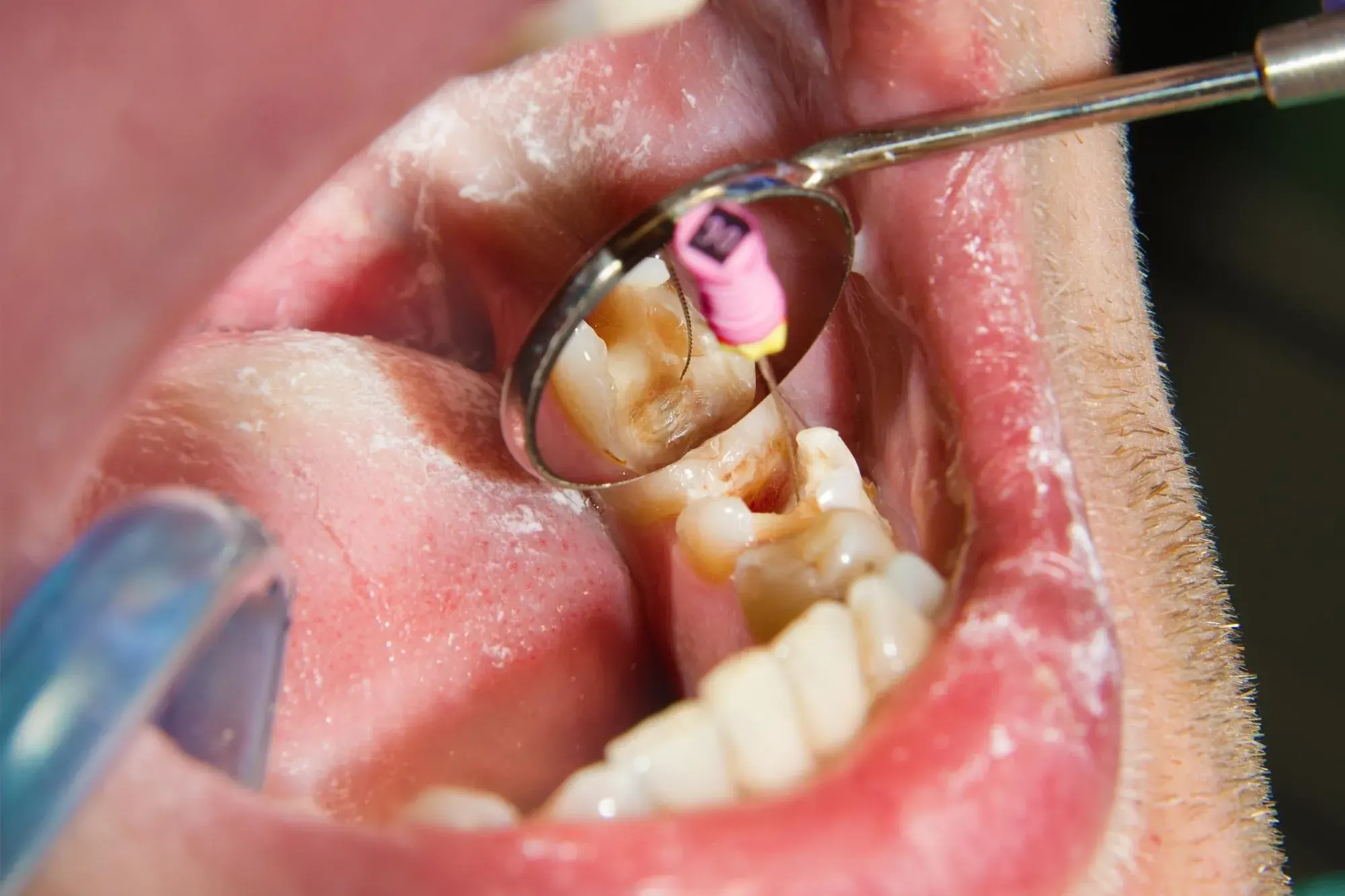
Dentist treating cavity with tooth-colored filling at Enclave Dental in Lake Mary FL

Cavity & Tooth Decay Treatment in Lake Mary, FL

Stop Decay Early and Restore Your Smile with Tooth-Colored Fillings at Enclave Dental

Clinical Term:Dental Caries
How Common:Most prevalent chronic disease worldwide
Primary Prevention:Fluoride, sealants, and regular cleanings
Primary Treatment:Tooth-colored composite fillings
Dentist using digital X-ray to detect early cavity at Enclave Dental Lake Mary

Understanding Cavities and Tooth Decay

Early Detection Makes All the Difference — Even Small Cavities Grow Without Treatment

Cavities are the most common chronic dental disease in the world, yet they're almost entirely preventable — and highly treatable when caught early. Cavity treatment in Lake Mary, FL at Enclave Dental gives patients from Lake Mary, Sanford, Longwood, Altamonte Springs, and Casselberry access to same-day diagnosis and tooth-colored restorations that blend seamlessly with their natural smile.

Dr. Shachi Shah, DDS, uses digital X-rays and visual examination at every hygiene visit to detect decay in its earliest stages — before it reaches the nerve, causes pain, or requires more complex treatment like a root canal or crown. A small cavity treated today costs a fraction of what an infected tooth costs to treat next year. The goal at Enclave Dental isn't just to fix cavities — it's to help patients prevent them in the first place.

Whether you're a longtime Lake Mary resident or new to the area from Heathrow or Winter Springs, Enclave Dental makes cavity care straightforward: clear diagnosis, same-visit treatment in most cases, and a personalized prevention plan to keep decay from coming back.

Illustration of bacteria causing acid demineralization on tooth enamel

What Causes Cavities and Tooth Decay?

Decay Is a Bacterial Process — Not Just About Sugar

Tooth decay is an infectious disease caused by specific bacteria — primarily Streptococcus mutans — that colonize the mouth and feed on fermentable carbohydrates. When these bacteria metabolize sugars, they produce acids that demineralize tooth enamel. If this acid exposure continues without sufficient remineralization from saliva and fluoride, the enamel softens and breaks down — forming a cavity.

The key contributing factors are: frequency of sugar and carbohydrate exposure (how often you eat and drink), oral hygiene consistency (whether bacteria and plaque are regularly removed), saliva quantity and quality (which buffers acids and delivers minerals back to enamel), fluoride exposure (which strengthens enamel against acid attack), and the depth and anatomy of tooth grooves (deep pits trap food and bacteria). Patients in Lake Mary and surrounding communities like Longwood and Sanford benefit from fluoridated municipal water, but this alone is not sufficient protection without a solid hygiene routine and regular professional care.
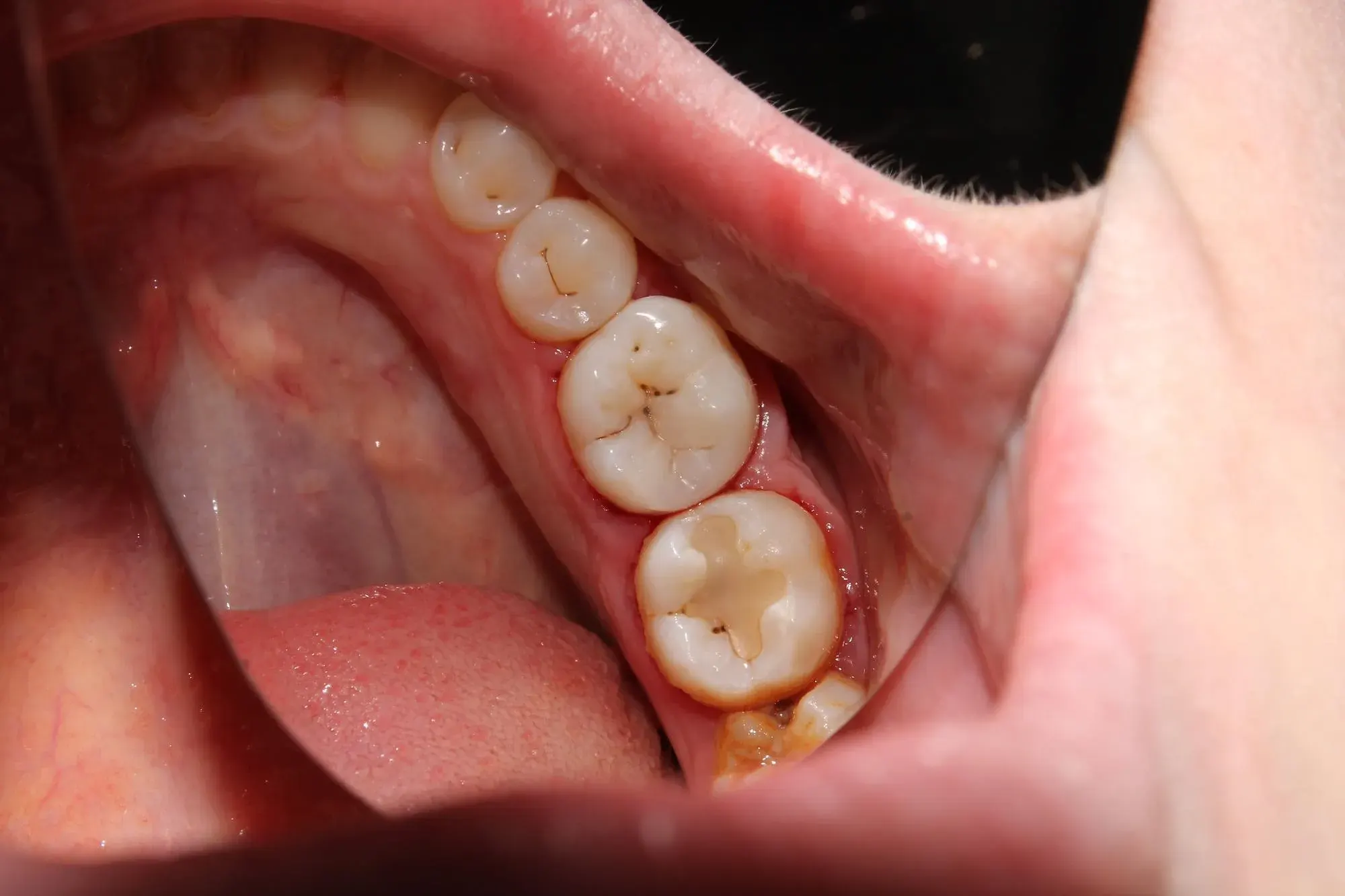

Diagram showing five stages of tooth decay progression from enamel to abscess

How a Cavity Progresses — and Why Acting Early Matters

A Small Cavity Today Becomes a Root Canal Tomorrow

Tooth decay doesn't appear overnight — it develops in predictable stages, each requiring increasingly more extensive (and expensive) treatment. Understanding this progression is the clearest argument for early detection and regular checkups at Enclave Dental.

Stage 1 — Initial Demineralization: White spot lesions appear on enamel where acid has begun removing minerals. At this stage, decay can be reversed with fluoride treatment — no drilling required.

Stage 2 — Enamel Decay: The lesion breaks through the enamel surface, forming a true cavity. Treatment is a simple filling. This is the ideal intervention point.

Stage 3 — Dentin Involvement: Decay reaches the softer dentin layer beneath enamel. Sensitivity increases. A filling is still effective, but must be placed promptly to prevent further progression.

Stage 4 — Pulp Involvement: Bacteria reach the dental pulp containing nerves and blood vessels. Pain becomes severe. Root canal therapy is now required to save the tooth.

Stage 5 — Abscess: Infection spreads to the surrounding bone. Emergency treatment — root canal, crown, or extraction — is necessary. This stage is associated with systemic infection risk. Attending your 6-month exams at Enclave Dental virtually eliminates the risk of reaching Stages 4 or 5.

Dentist discussing cavity risk factors with patient at Enclave Dental

What Increases Your Risk of Cavities?

Know Your Risk Factors to Prevent Future Decay

01

Frequent Sugary Drinks

Sipping on sodas, sports drinks, juice, or sweetened coffee throughout the day creates a near-constant acid environment on tooth surfaces — far more damaging than consuming sugar all at once.

02

Inconsistent Flossing

Interproximal cavities (between the teeth) are exclusively reachable by flossing. Patients who don't floss daily are at high risk for decay in these tight contact areas.

03

Deep Tooth Grooves (Fissures)

Some patients have naturally deep pits and fissures in their back molars where food and bacteria lodge and are impossible to clean with a toothbrush. Dental sealants eliminate this risk.

04

Dry Mouth

Saliva is a critical buffer against acid. Patients with reduced salivary flow from medications, autoimmune conditions, or mouth breathing experience dramatically higher cavity rates.

05

Gum Recession

When gums recede, the softer root surfaces of teeth become exposed. Root cementum is far less resistant to acid than enamel, making root caries a common concern for adults over 50.

06

Infrequent Dental Visits

Professional cleanings remove tartar that harbors decay-causing bacteria. Digital X-rays catch cavities between teeth before symptoms develop. Skipping visits allows decay to progress undetected to advanced stages.

Dr. Shachi Shah placing tooth-colored filling at Enclave Dental in Lake Mary

Why Lake Mary Patients Trust Enclave Dental for Cavity Care

  • Digital X-Ray Detection
  • Tooth-Colored Fillings
  • Preventive-First Approach
  • Full Spectrum of Restorative Care

Cavity Treatment Options at Enclave Dental

The Right Restoration Depends on How Far the Decay Has Progressed

Treatment Best For Session Time Longevity Covers Under Insurance?
Fluoride Treatment Very early demineralization (white spot lesions, no cavity yet) 15 min add-on to cleaning Ongoing remineralization over weeks Usually covered 100%
White Fillings Small to medium cavities in enamel or dentin 30–60 min 7–12+ years Typically covered 70–80%
Crowns and Bridges Large cavities, cracked teeth, or teeth with old failing fillings 2 appointments (~2 weeks) 10–15+ years Covered 50% by most plans
Root Canal Decay that has reached the dental pulp or nerve 1–2 appointments for RCT + crown Long-term when maintained RCT typically covered 50–80%
Patient holding cheek with tooth pain from advanced cavity

Signs You May Have a Cavity or Active Tooth Decay

Early-Stage Cavities Are Often Painless — Don't Wait for Symptoms

  • Tooth Sensitivity to Sweets
  • Sensitivity to Hot or Cold
  • Visible Dark Spots or Holes
  • Toothache or Spontaneous Pain
  • Pain When Biting
  • Food Getting Stuck

Cavity FAQs

Answers from Dr. Shachi Shah, Enclave Dental — Lake Mary, FL

01 How do I know if I have a cavity?

The honest answer is: you often can't tell on your own, especially early on. Small-to-moderate cavities rarely cause pain. The most reliable way to detect cavities is through digital X-rays and a clinical exam at Enclave Dental. Signs that a cavity may be present include tooth sensitivity to sweets or temperatures, visible dark spots or holes on a tooth surface, food consistently getting stuck in the same area, and — in more advanced cases — spontaneous tooth pain or pain when biting. If you haven't had an exam in over a year, schedule one even without symptoms.

02 Can a cavity heal on its own?

Very early-stage enamel demineralization — called a 'white spot lesion' — can technically reverse itself with fluoride exposure and improved oral hygiene before it breaks through the enamel surface. However, once a true cavity has formed (meaning the enamel has actually broken down), it cannot heal itself. Cavities only progress without treatment. This is why professional fluoride application at your Enclave Dental cleaning visits is most valuable as a preventive tool for patients at elevated risk, not as a treatment for existing cavities.

03 How much does it cost to fill a cavity without insurance?

At Enclave Dental in Lake Mary, the cost of a composite (tooth-colored) filling depends on the size of the cavity and which tooth is involved. Single-surface fillings typically range from $150–$250; multi-surface fillings can range from $200–$350 or more. Cavities caught early are smaller, faster to treat, and significantly less expensive. We're happy to provide a clear cost estimate before treatment begins. Ask our team about payment plan options if out-of-pocket cost is a concern — we want every patient to be able to access the care they need.

04 What does a cavity look like?

On a tooth surface, an early cavity may appear as a chalky white spot (initial demineralization), a brown or dark discoloration in a groove or between teeth, or a small pit or hole you can feel with your tongue. On dental X-rays, cavities appear as dark shadows between teeth or beneath old fillings. Advanced cavities may be visible as obvious holes, grey discoloration, or structural breakdown of the tooth. Most interproximal cavities (between teeth) are invisible to the naked eye and only detectable on X-rays — another reason regular exams matter.

05 What causes tooth decay?

Tooth decay is caused by specific oral bacteria — primarily Streptococcus mutans — that produce acid when they metabolize sugars and carbohydrates. This acid dissolves tooth enamel, progressively breaking down the tooth structure. Key risk factors include frequent consumption of sugary or acidic foods and drinks, inconsistent flossing (which leaves bacteria between teeth), dry mouth (which reduces acid-buffering saliva), deep tooth grooves that trap bacteria, and infrequent dental cleanings that allow tartar buildup. Fluoride strengthens enamel against acid attack and is a foundational part of cavity prevention.

06 How long can you leave a cavity untreated?

There is no safe window for leaving a confirmed cavity untreated. Cavities don't stabilize — they grow. A small enamel cavity can progress to dentin in months; dentin decay can reach the pulp within a year or two if not addressed. Once the pulp is involved, a root canal is required instead of a simple filling — a procedure that costs 4–6 times more and requires more appointments. Leaving a cavity untreated long enough risks abscess formation, bone loss, and eventual tooth loss. If Dr. Shah has diagnosed a cavity during your exam, the most cost-effective decision is always to treat it promptly.

Location3232 W Lake Mary Blvd, STE 1400
Lake Mary, FL, 32746

Schedule Your Consultation

Scientific References