Consultation
Dr. Shah reviews your X-rays and medical history, confirms extraction is the right choice, and discusses sedation preferences.


Gentle, Stress-Free Removal
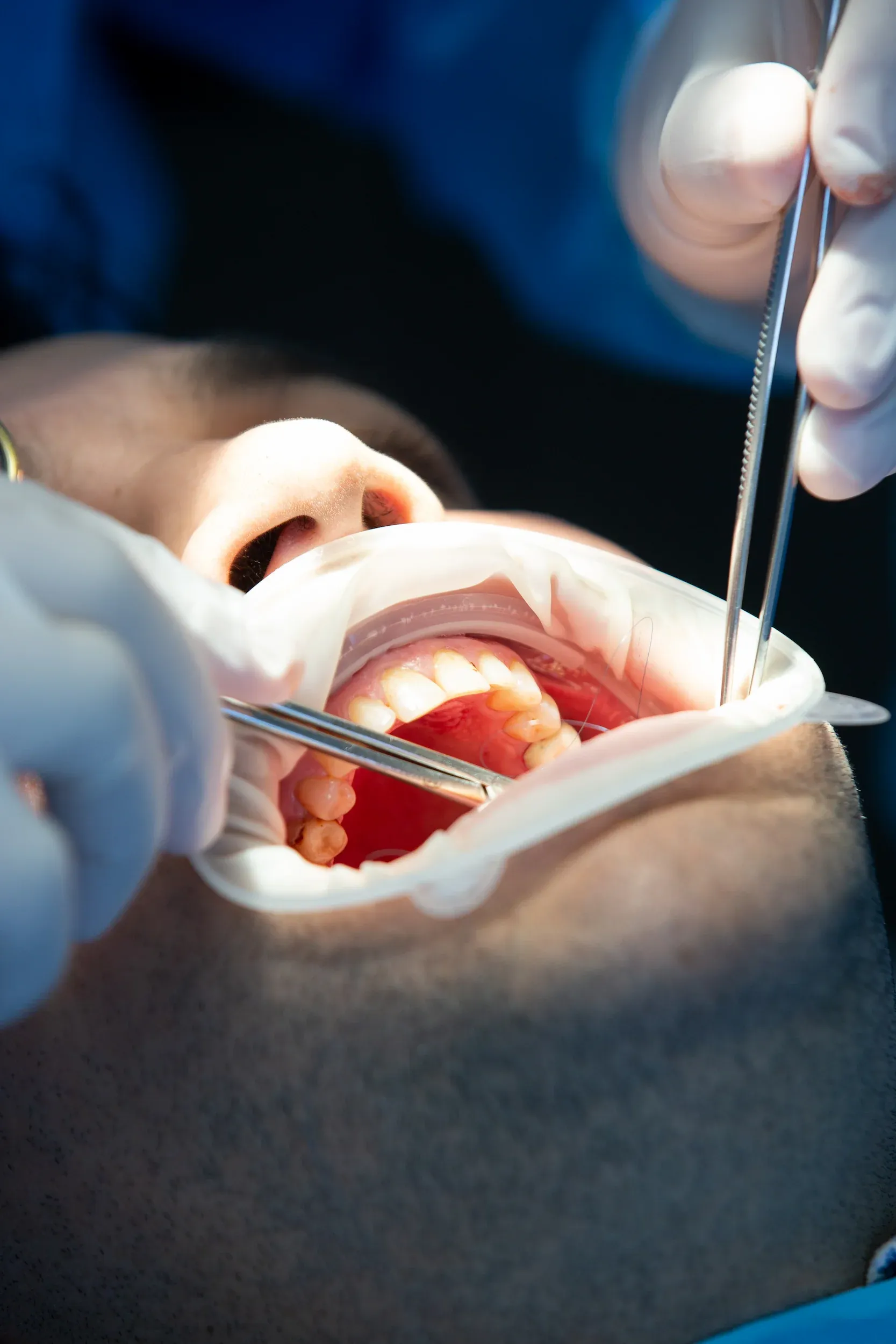
Infection, Damage & Impaction
A severely decayed, fractured, or infected tooth creates relentless pain that disrupts sleep, eating, and daily life. Left untreated, oral infection can spread to neighboring teeth, the jawbone, and even the bloodstream. Impacted wisdom teeth press against adjacent molars, causing crowding, cysts, and recurring inflammation that no amount of medication can permanently resolve.
Extraction eliminates the source of infection or crowding and gives surrounding tissues a chance to heal. Dr. Shah evaluates every case conservatively — she recommends removal only when the tooth cannot be predictably saved with a root canal or crown. Once extracted, modern replacement options like dental implants and dentures restore function and appearance so you never have to live with a gap.
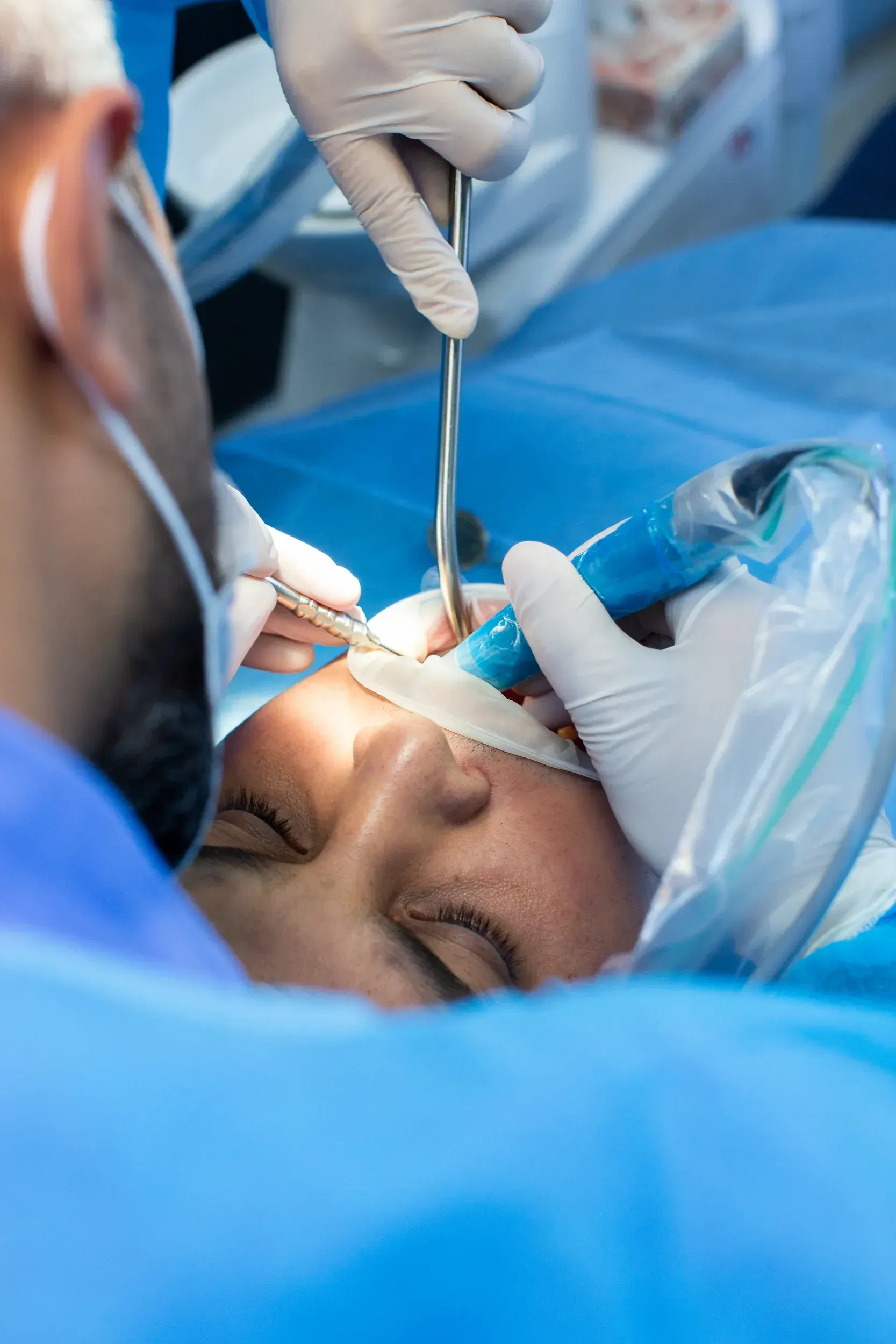
Simple & Surgical Removal Explained
A tooth extraction is the controlled removal of a tooth from its socket in the jawbone. There are two types: a simple extraction performed on a visible, erupted tooth using an elevator and forceps, and a surgical extraction required when a tooth is impacted, broken at the gum line, or has curved roots. Surgical extractions may involve a small incision and sectioning the tooth for safe removal. Both types are performed under local anesthesia, with optional sedation for anxious patients.
After removal, Dr. Shah places gauze to control bleeding and may place dissolvable sutures. A blood clot forms in the socket — this clot is essential for healing. Patients receive detailed aftercare instructions to prevent dry socket (alveolar osteitis), the most common post-extraction complication. Immediate or delayed placement of a dental implant or temporary prosthetic can begin the day of extraction in appropriate cases.
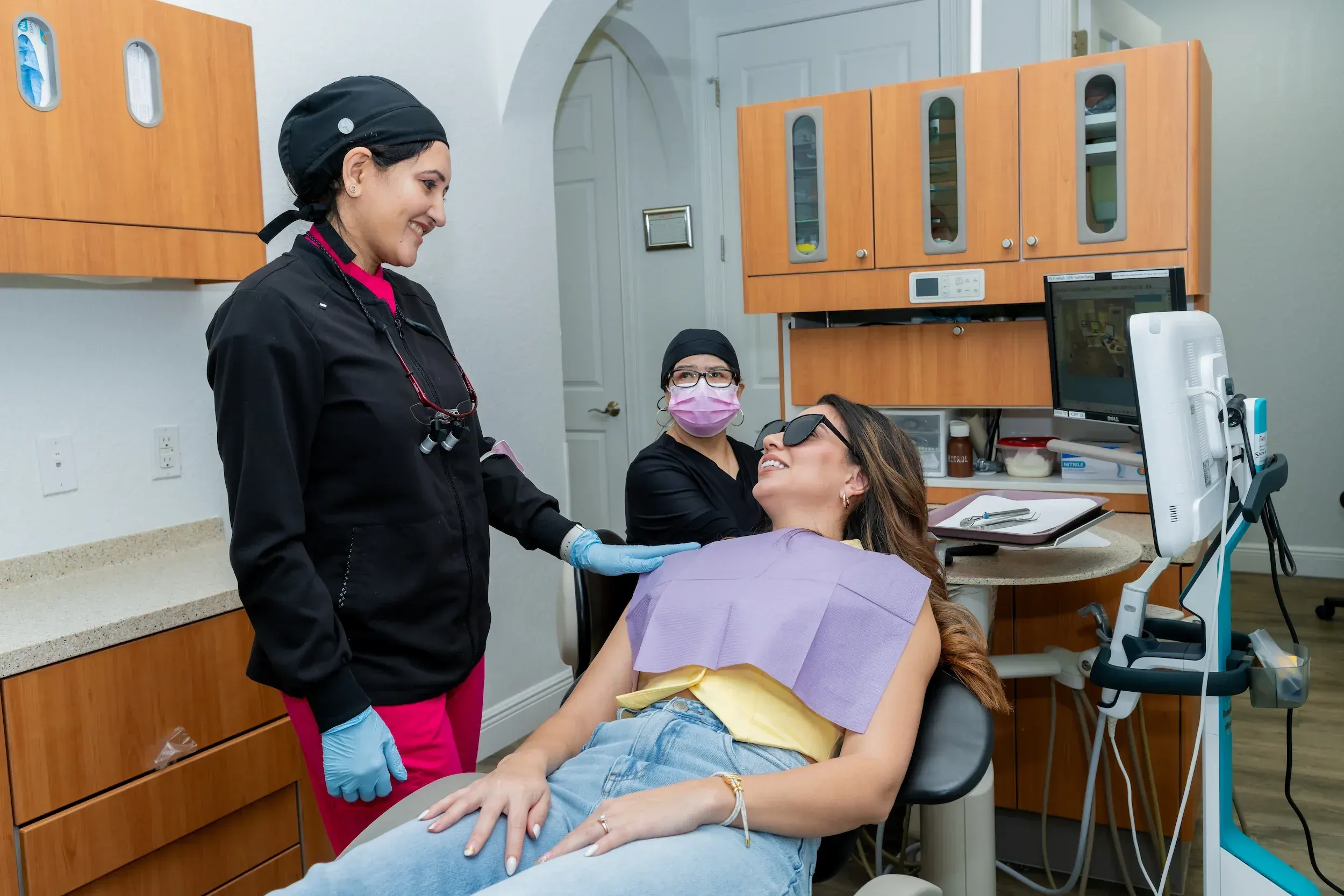
Protect Your Oral Health
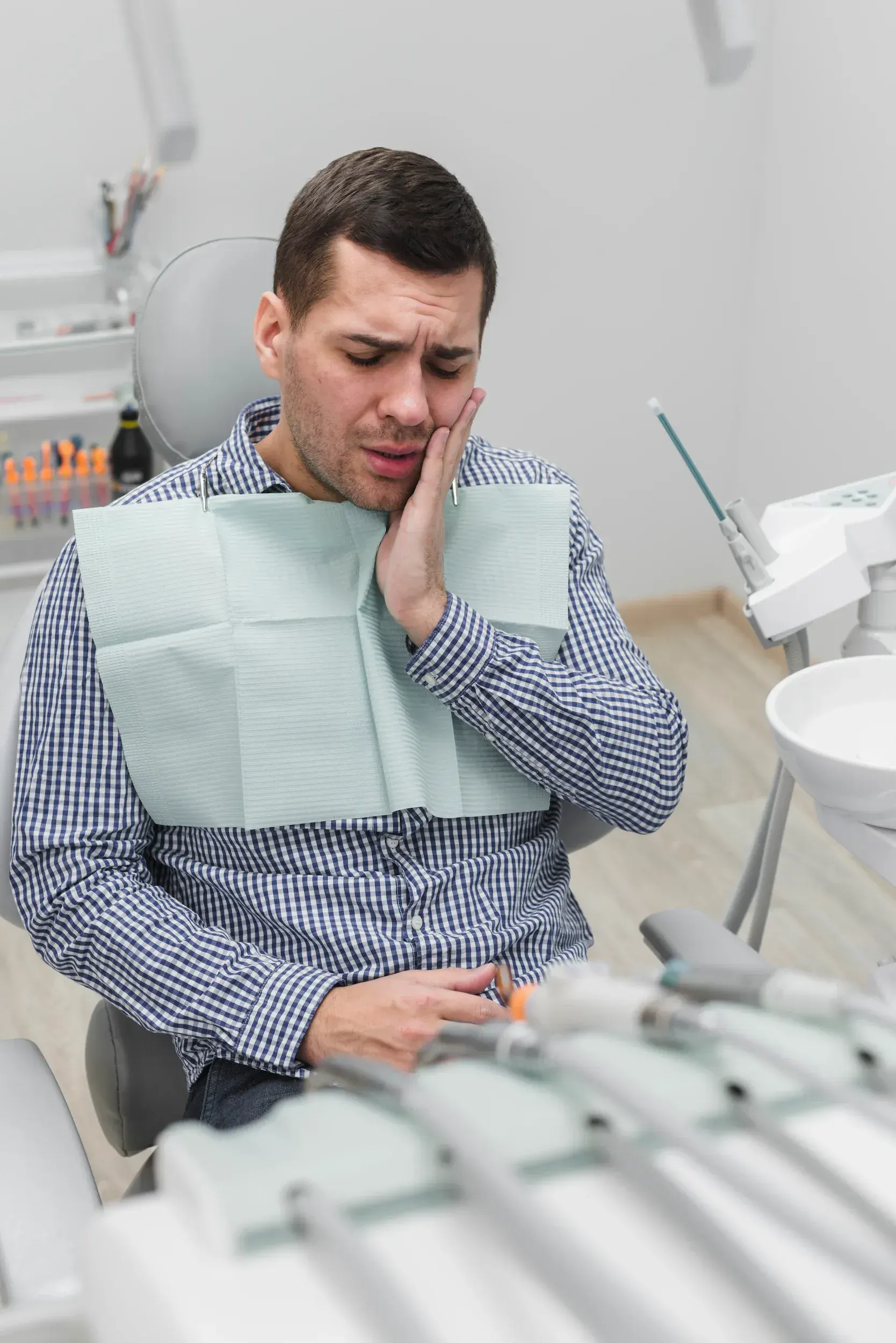
Removing the source of infection or pressure stops toothache and sensitivity the same day
Eliminates bacterial reservoirs that can migrate to adjacent teeth, bone, and body systems
Removing a failing tooth prevents crowding, shifting, and damage to healthy neighboring teeth
A properly healed extraction site creates the ideal foundation for a dental implant replacement
Nitrous oxide and oral sedation options ensure even anxious patients have a stress-free experience
Making the Right Choice
| Option | Best For | Procedure | Recovery | Long-Term Outcome | Cost Range | Replacement Needed |
|---|---|---|---|---|---|---|
| Tooth Extraction | Teeth beyond restoration | 30–60 min, local/sedation | 1–3 days | Permanent removal; gap must be addressed | $150–$650+ | Yes — implant, bridge, or denture |
| Root Canal + Crown | Infected but structurally intact tooth | 1–2 visits | Minimal (1–2 days) | Retains natural tooth for years | $1,500–$2,500 | No |
| Crown Restoration | Cracked or decayed but rootable tooth | 2 visits | Minimal | Protects remaining tooth structure | $1,000–$1,800 | No |
Conservative Evaluation First
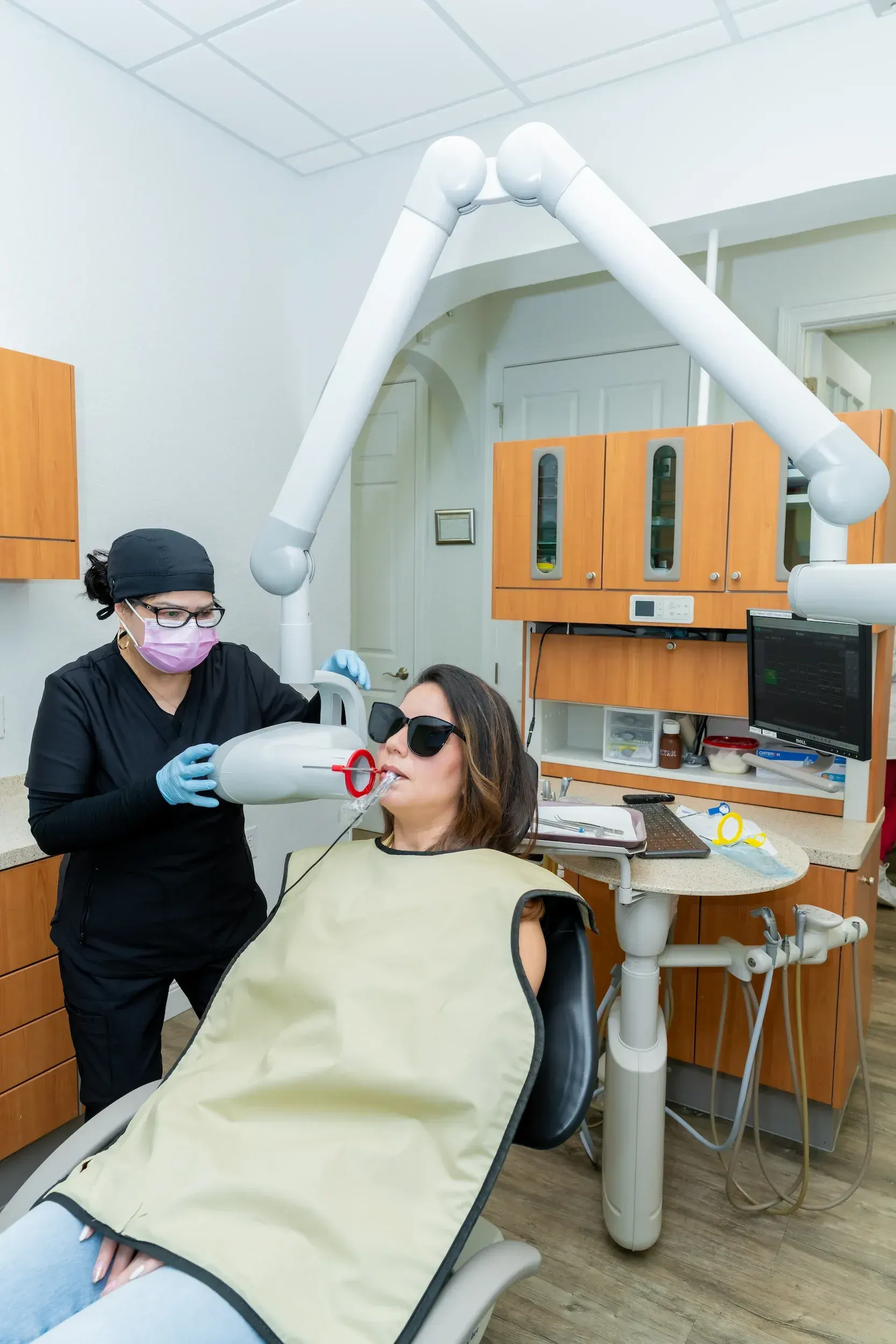
Dr. Shah recommends extraction for patients whose tooth cannot be reliably saved or whose oral health would benefit from removal. A thorough exam and X-rays are always performed before any extraction recommendation is made.
Dr. Shah reviews your full medical history before any procedure. Most medically complex patients can still receive safe extractions with appropriate precautions and physician coordination.
Dr. Shah reviews your X-rays and medical history, confirms extraction is the right choice, and discusses sedation preferences.
Dr. Shah administers local anesthetic to fully numb the tooth and surrounding tissue; sedation is started if selected.
Using precise elevators and forceps — or a surgical incision for impacted teeth — Dr. Shah gently loosens and removes the tooth.
Dr. Shah places gauze, irrigates the socket, and may place sutures or a collagen plug to promote optimal clot formation.
Dr. Shah walks you through aftercare instructions, prescribes pain relief as needed, and outlines your tooth replacement options.
What to Know Beforehand
Tooth extraction is a routine, well-studied procedure with a strong safety profile when performed by an experienced dentist like Dr. Shah. Most side effects are mild and temporary.
Common, Expected Side Effects:
Less Common Complications:
Call Enclave Dental immediately at (407) 323-1010 if you experience worsening pain after day 3, fever above 101°F, or uncontrolled bleeding.
The cost of a tooth extraction at Enclave Dental in Lake Mary depends on the complexity of the case and whether sedation is used. Below are typical ranges to help you plan — exact fees are determined after your exam and X-rays.
| Service | Estimated Cost |
|---|---|
| Simple extraction (single tooth) | $150 – $350 |
| Surgical extraction (complex/impacted) | $350 – $650+ |
| Wisdom tooth extraction (per tooth) | $200 – $700+ |
| Nitrous oxide sedation | $75 – $150 |
| Oral conscious sedation | $200 – $500 |
| Emergency exam + X-ray | $75 – $150 |
Insurance: Most PPO dental insurance plans cover medically necessary extractions at 50–80% after your deductible. Enclave Dental will verify your benefits before your appointment so there are no billing surprises.
Without Insurance: Patients without coverage can use our in-office savings plan or apply for Cherry, Sunbit, and CareCredit financing — all offering low monthly payment options to spread the cost over time.
For a precise quote, call us at (407) 323-1010 or book a consultation online. We serve patients from Lake Mary, Sanford, Longwood, Altamonte Springs, Heathrow, Winter Springs, and Casselberry.
Gentle Care, Expert Results
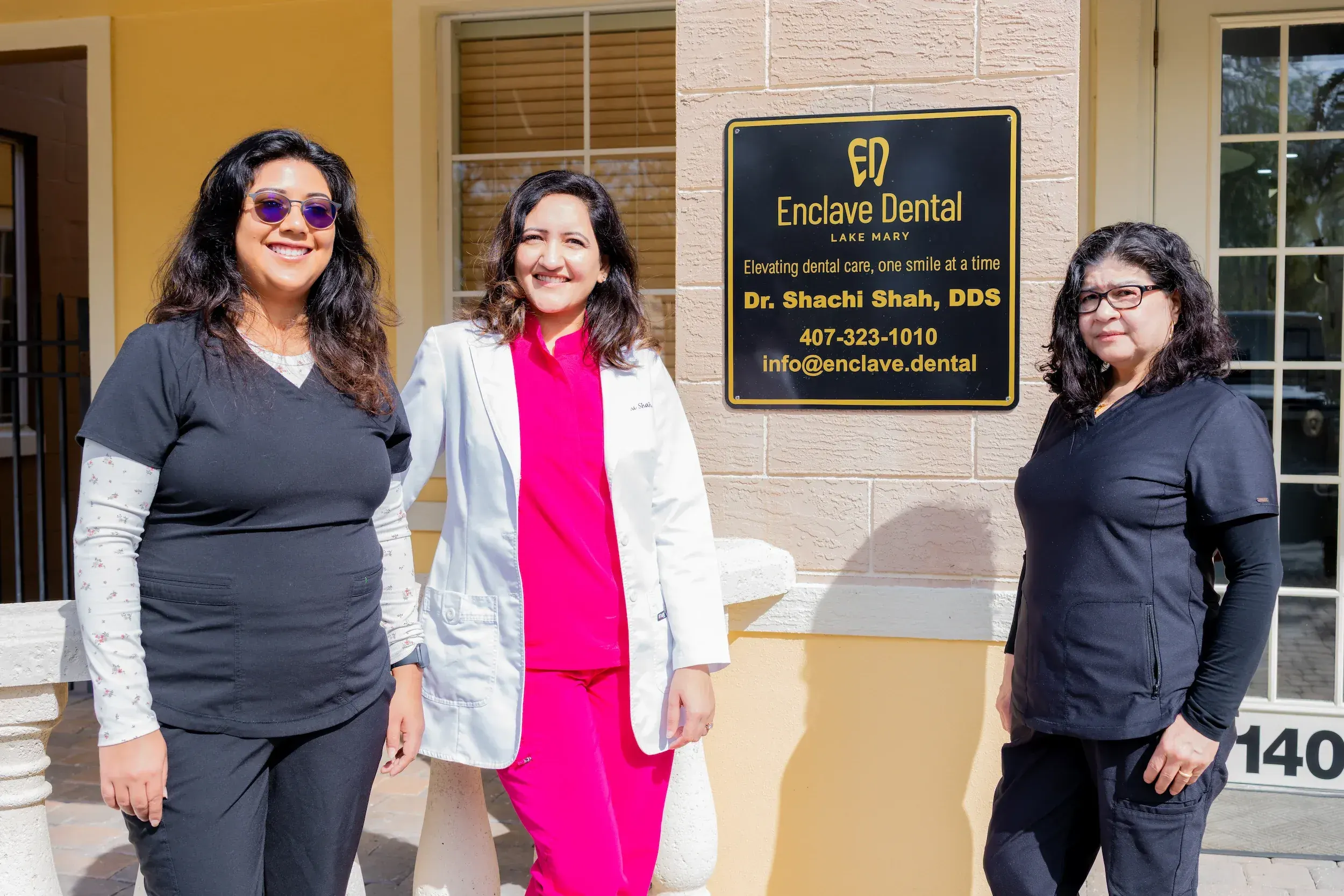
Dr. Shah recommends extraction only after confirming no restorative option can reliably save the tooth
Nitrous oxide and oral sedation are available so anxious patients feel relaxed from start to finish
Enclave Dental accommodates emergency tooth extractions promptly to relieve pain fast
Every extraction consult includes a discussion of implant, denture, or bridge options to replace the tooth
Answers for Lake Mary Patients
No. Dr. Shah thoroughly numbs the tooth and surrounding gum before starting. You will feel pressure and movement but not sharp pain. Sedation is available for anxious patients. Post-procedure soreness is managed with over-the-counter pain relievers in most cases.
Simple extractions typically range from $150–$350, while surgical or impacted wisdom tooth extractions cost $350–$700+. Enclave Dental offers in-house savings plans and Cherry, Sunbit, and CareCredit financing to make treatment affordable for uninsured patients.
Stick to soft, cool foods for the first 48–72 hours: yogurt, applesauce, smoothies (no straws), mashed potatoes, and scrambled eggs. Avoid hard, crunchy, spicy, or chewy foods and hot liquids until the socket has fully closed — usually 7–10 days.
Initial soft-tissue healing takes 1–2 weeks. Full bone remodeling in the socket takes 3–6 months. Most patients feel normal within 3–5 days. Keeping the clot intact (no straws, no smoking) is the single most important factor in a smooth recovery.
Dr. Shah always explores saving the tooth first. Extraction is recommended when decay is too extensive for a crown, a vertical root fracture is present, a root canal has failed, periodontal bone loss is severe, or wisdom teeth are impacted and causing recurrent problems.
Yes. Enclave Dental accommodates emergency extractions whenever possible. Call (407) 323-1010 as early as possible — we prioritize patients in acute pain and will make every effort to see you the same day.