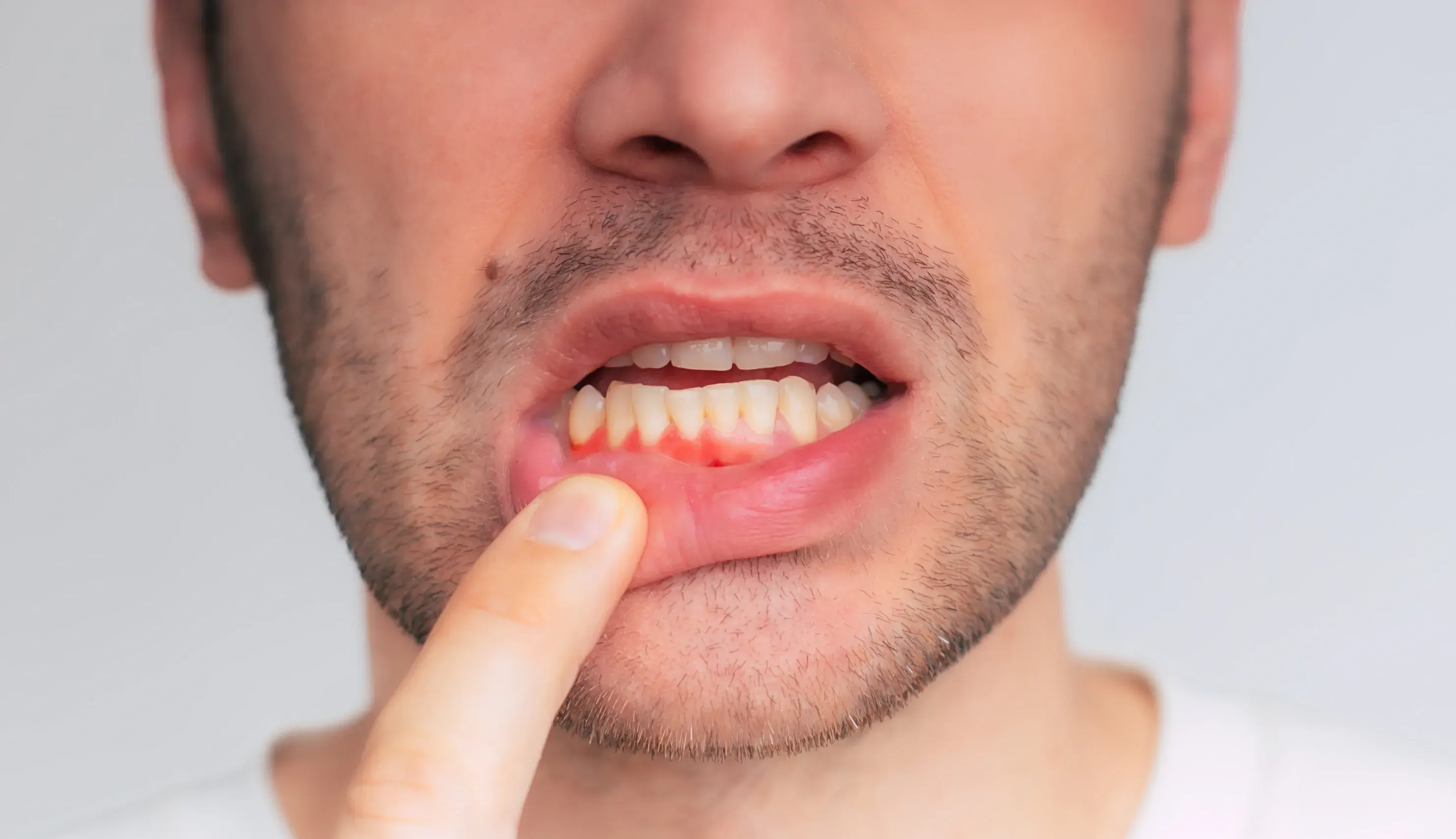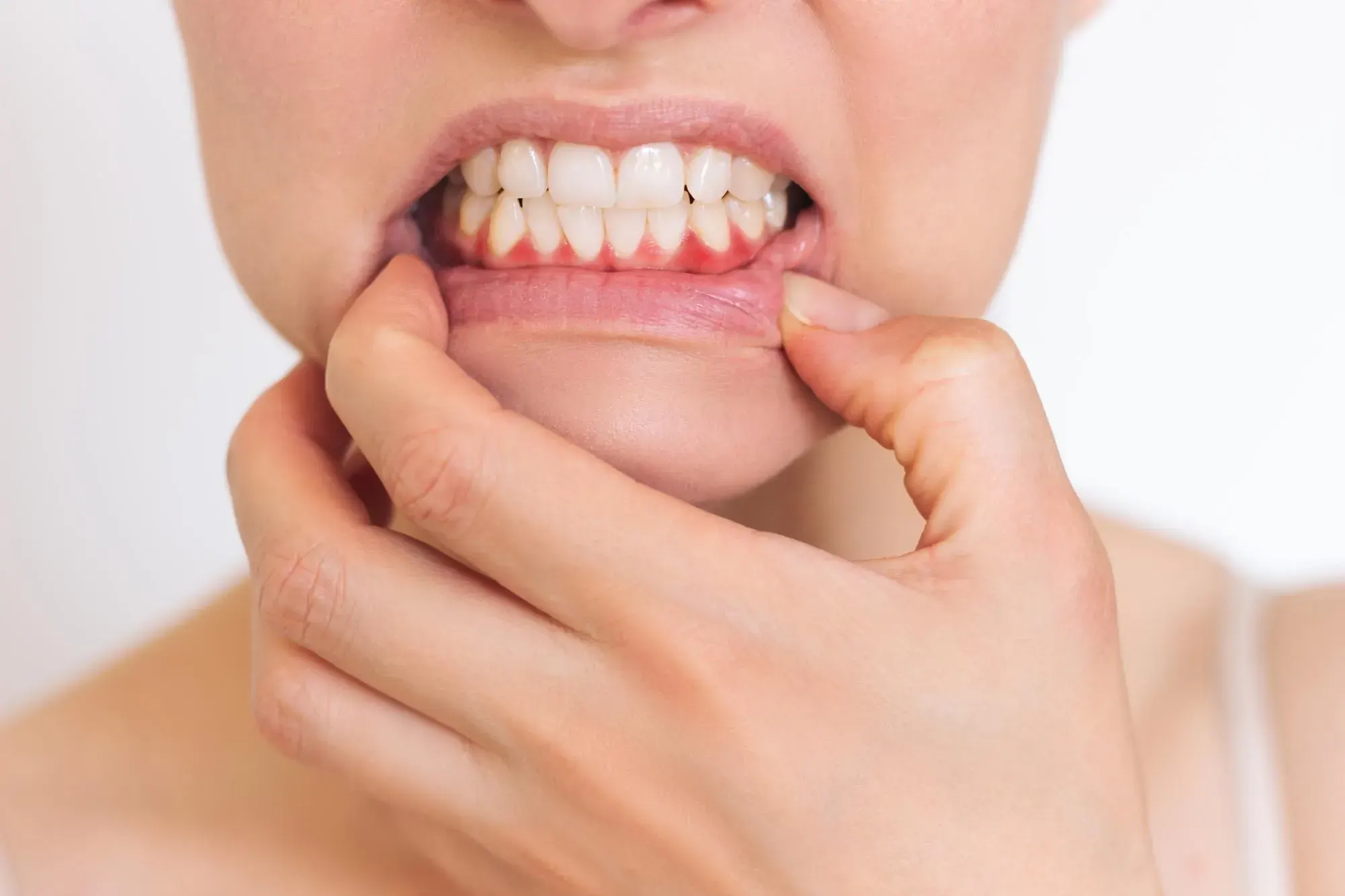
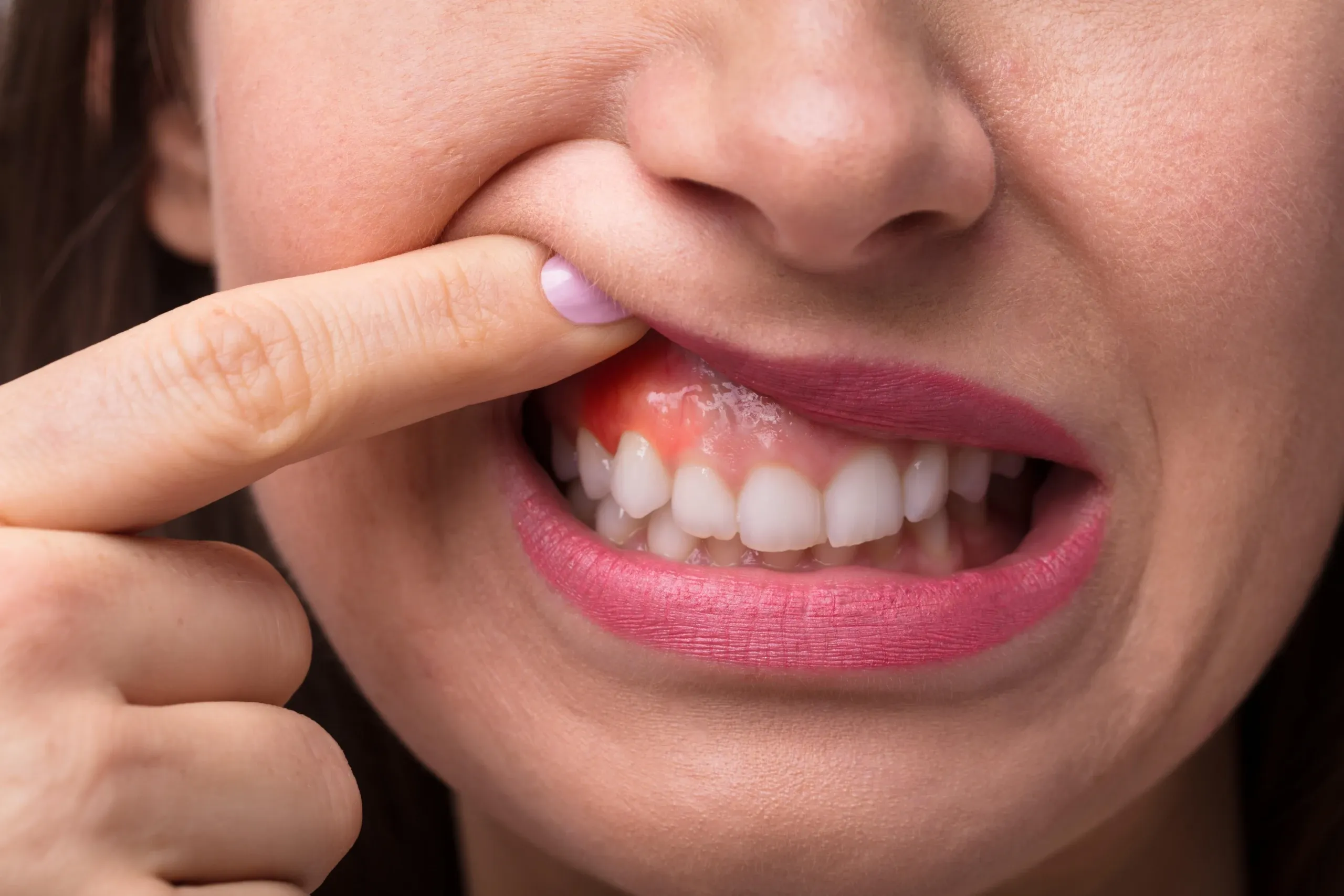


Patient discussing sensitive teeth with Dr. Shachi Shah at Enclave Dental in Lake Mary FL

Sensitive Teeth Treatment in Lake Mary, FL

Find the cause of your tooth sensitivity and get lasting relief at Enclave Dental.

Common In:Adults 20–65
Trigger:Hot, cold, sweet, or acidic foods
Root Cause:Exposed dentin or enamel erosion
Treatment:Fluoride, bonding, or fillings
Close-up illustration of dentin tubules exposed due to enamel erosion causing tooth sensitivity

Understanding Tooth Sensitivity

Sensitive teeth affect nearly half of all adults — and the discomfort is always a signal worth investigating.

Tooth sensitivity is the sharp, brief pain you feel when teeth are exposed to temperature changes, sweet foods, acidic drinks, or even a cold breath of air. While it may seem like a minor nuisance, sensitivity is your tooth's way of telling you something has changed beneath the surface.

At Enclave Dental in Lake Mary, FL, Dr. Shachi Shah takes a diagnostic-first approach to sensitivity. Rather than masking symptoms with over-the-counter products, she identifies the underlying cause — whether that's enamel erosion, gum recession, a cracked tooth, or an aging filling — and provides targeted treatment that actually resolves the problem. Patients from Lake Mary, Sanford, Longwood, Altamonte Springs, Heathrow, and Winter Springs trust Dr. Shah for sensitivity relief that lasts.

Diagram showing exposed dentin tubules beneath receded gum tissue in a cross-section of a molar

What Makes Teeth Sensitive?

Sensitivity develops when the inner layer of the tooth — dentin — becomes exposed to the outside environment.

Each tooth is protected by a hard outer layer of enamel above the gumline and cementum below it. Underneath both lies dentin, a porous tissue filled with microscopic tubules that connect directly to the tooth's nerve. When enamel or cementum is worn away or gum tissue recedes, those tubules become exposed. Hot, cold, sweet, or acidic stimuli travel through the tubules and trigger the nerve — producing that familiar sharp, shooting pain.

Sensitivity is almost always a symptom of an underlying condition rather than a standalone diagnosis. Identifying the root cause is the only way to choose the most effective treatment and prevent the issue from progressing into a more serious dental problem.
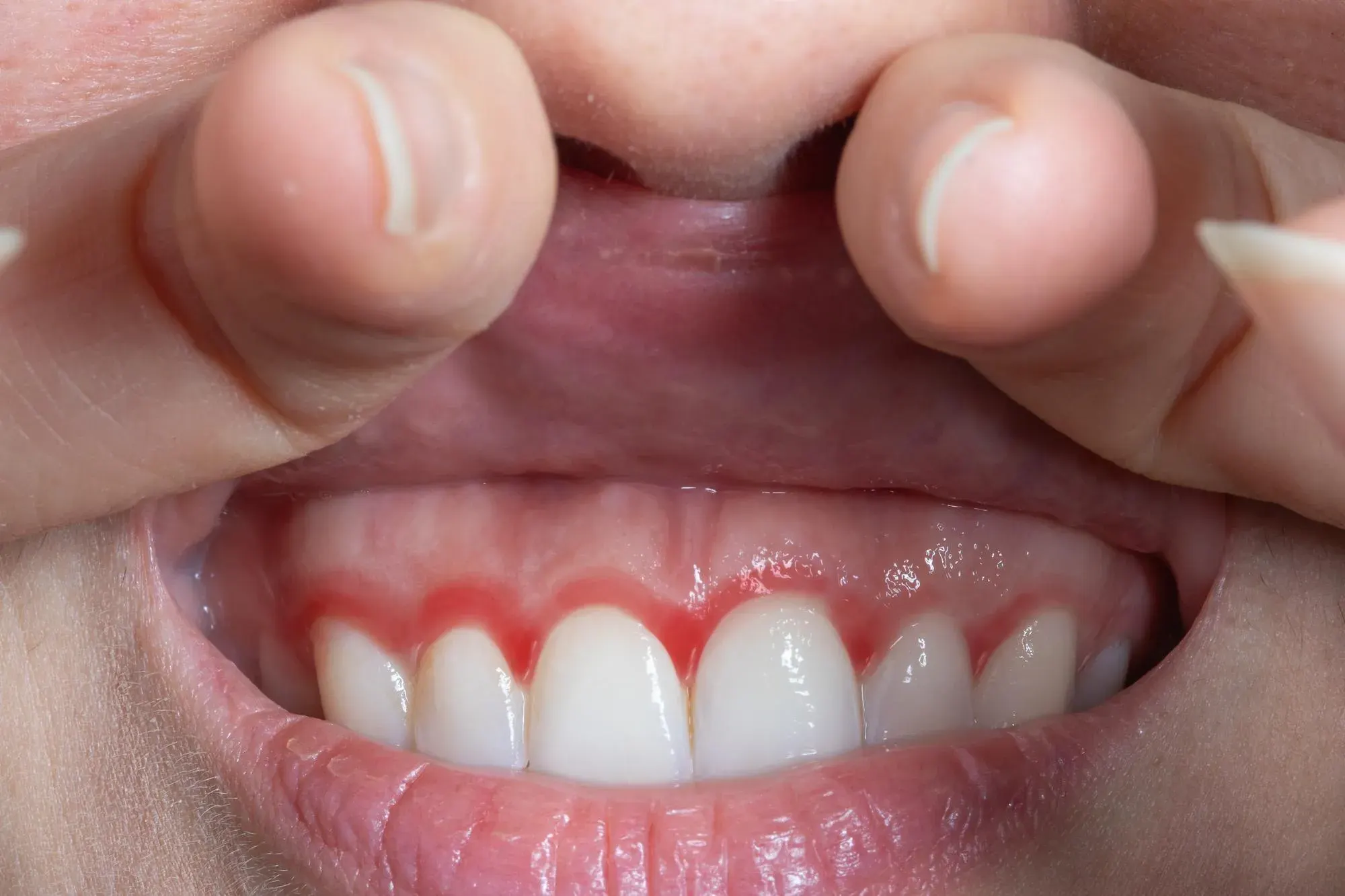
Dr. Shah performing a dental exam to evaluate the cause of a patient's tooth sensitivity

Sensitivity Can Signal a Bigger Problem

Ignoring persistent tooth sensitivity may allow the underlying issue to worsen over time.

Many people live with sensitive teeth for months — or years — before seeking care, assuming sensitivity is just a normal part of aging or something to manage with a special toothpaste. In some cases, desensitizing toothpaste does provide temporary comfort. But when sensitivity is caused by a cavity, a cracked tooth, or significant enamel erosion, delaying treatment can allow decay to advance, a crack to deepen, or the nerve to become inflamed — potentially requiring more extensive intervention.

A professional evaluation at Enclave Dental takes the guesswork out of the equation. Dr. Shah can quickly determine whether sensitivity is cosmetic in nature or an early warning sign that needs prompt attention. Early care is almost always simpler, faster, and more affordable than treatment after a problem has progressed.

Infographic showing the six most common causes of tooth sensitivity including enamel erosion and gum recession

Common Causes of Tooth Sensitivity

Sensitivity can stem from multiple sources — many of which are highly treatable once identified.

01

Enamel Erosion

Acidic foods and drinks (citrus, soda, coffee), acid reflux, and frequent vomiting can gradually dissolve enamel — leaving the underlying dentin exposed and hypersensitive.

02

Gum Recession

When gum tissue pulls away from the tooth, the root surface — which has no protective enamel — is exposed directly to temperature and pressure stimuli.

03

Tooth Decay (Cavities)

Bacteria-produced acids eat through enamel and dentin, creating openings that allow hot, cold, and sweet sensations to reach the nerve with much greater intensity.

04

Cracked or Chipped Teeth

Even hairline cracks create pathways for stimuli to reach the nerve. Cracked teeth often produce sensitivity that's localized to a specific tooth or triggered by biting pressure.

05

Worn or Failing Fillings

Old or deteriorating fillings can develop micro-gaps at the margins, allowing bacteria and temperature changes to reach the dentin beneath the restoration.

06

Aggressive Brushing

Brushing with a hard-bristled toothbrush or using too much pressure gradually abrades enamel and contributes to gum recession — both of which increase sensitivity over time.

07

Teeth Grinding (Bruxism)

Chronic grinding or clenching wears down enamel on the biting surfaces, exposing dentin and causing widespread sensitivity that affects multiple teeth at once.

08

Recent Dental Procedures

Sensitivity following a cleaning, whitening treatment, or new restoration is normal and typically resolves within a few days to a few weeks as the tooth settles.

Dr. Shachi Shah consulting with a patient at Enclave Dental's modern Lake Mary office

Why Lake Mary Patients Choose Dr. Shah for Sensitivity Relief

Targeted diagnosis, proven treatments, and a team that actually listens.

  • Diagnosis Before Treatment
  • Comprehensive In-Office Solutions
  • Gentle, Patient-Centered Care
  • Convenient Lake Mary Location

Sensitive Teeth Treatment Options at Enclave Dental

Dr. Shah selects the most appropriate treatment based on your specific diagnosis.

Treatment Best For Session Time Results Timeline Maintenance
Fluoride Treatment Enamel erosion, mild generalized sensitivity 15–20 min Gradual improvement over weeks Every 3–6 months
Dental Bonding Exposed root surfaces, localized sensitivity 30–60 min per tooth Immediate after treatment Touch-up as needed (5–10 yrs)
White Fillings Decay-related sensitivity, cracked or failing fillings 30–60 min per tooth Immediate after placement Regular exams every 6 months
Teeth Cleaning & Exams Post-cleaning sensitivity, plaque-related causes 45–60 min Sensitivity resolves in days–2 weeks Every 6 months
Patient wincing after drinking a cold beverage, indicating tooth sensitivity symptoms

Signs You May Have Sensitive Teeth

Tooth sensitivity varies from mild occasional discomfort to sharp, persistent pain — here's what to watch for.

  • Pain with Cold Drinks or Food
  • Discomfort with Hot Beverages
  • Pain from Sweet or Acidic Foods
  • Sensitivity to Cold Air
  • Discomfort While Brushing or Flossing
  • Pain When Biting Down
  • Sensitivity After a Cleaning

Frequently Asked Questions About Sensitive Teeth

Answers to the questions Dr. Shah hears most often from Lake Mary patients.

01 Why are my teeth suddenly sensitive when they weren't before?

Sudden sensitivity usually means something has recently changed — a new cavity has developed, a filling has started to fail, a small crack has formed, or gum recession has progressed enough to expose the root surface. Sudden onset sensitivity is generally a signal to schedule an exam promptly rather than wait to see if it resolves on its own.

02 What causes tooth sensitivity?

Sensitivity occurs when dentin — the layer beneath the tooth's enamel — becomes exposed to the oral environment. The most common culprits are enamel erosion from acidic foods and drinks, gum recession, tooth decay, cracked teeth, aggressive brushing, teeth grinding (bruxism), and worn or failing restorations. Dr. Shah will identify your specific cause during your exam.

03 How do I treat sensitive teeth at home?

Switching to a soft-bristled toothbrush, using a desensitizing toothpaste that contains potassium nitrate or stannous fluoride, and avoiding highly acidic foods and drinks can reduce mild sensitivity. However, home care manages symptoms rather than treating the underlying problem. If sensitivity persists for more than two to three weeks, an in-office evaluation is strongly recommended.

04 Are sensitive teeth a sign of something serious?

Sometimes, yes. Sensitivity caused by a deep cavity, a cracked tooth, or significant gum recession can progress into more serious problems — including nerve damage and tooth loss — if left untreated. The only reliable way to know whether your sensitivity is cosmetic or clinically significant is a professional evaluation. Most causes are very treatable when caught early.

05 What is the best toothpaste for sensitive teeth?

Toothpastes containing potassium nitrate (such as Sensodyne Pronamel or Colgate Sensitive) or stannous fluoride are the most clinically supported options for managing sensitivity at home. They work by blocking dentin tubules and reducing nerve excitability. Results build over several weeks of consistent use. Ask Dr. Shah which formula makes the most sense for your specific situation.

06 Can a dentist fix sensitive teeth?

Yes — and often very effectively. Depending on the cause, Dr. Shah may recommend an in-office fluoride treatment, dental bonding to seal exposed root surfaces, a white filling to repair decay or a cracked area, or a deep cleaning to address gum-related causes. Most sensitivity cases resolve completely with the appropriate treatment.

07 Is sensitivity after a teeth cleaning normal?

Mild sensitivity following a professional cleaning or scaling procedure is completely normal. During a cleaning, plaque and tartar deposits are removed from the gumline and between teeth, which can temporarily expose dentin and cause brief sensitivity to temperature. This typically resolves within a few days to two weeks. If it persists longer, contact Enclave Dental for a follow-up.

Location3232 W Lake Mary Blvd, STE 1400
Lake Mary, FL, 32746

Schedule Your Consultation

Scientific References