
Tooth loss can happen gradually or suddenly, and the underlying cause matters when planning replacement. Some causes affect bone volume and gum health in ways that influence which restorative option will perform best long-term. Dr. Shah assesses the full picture before recommending any treatment.
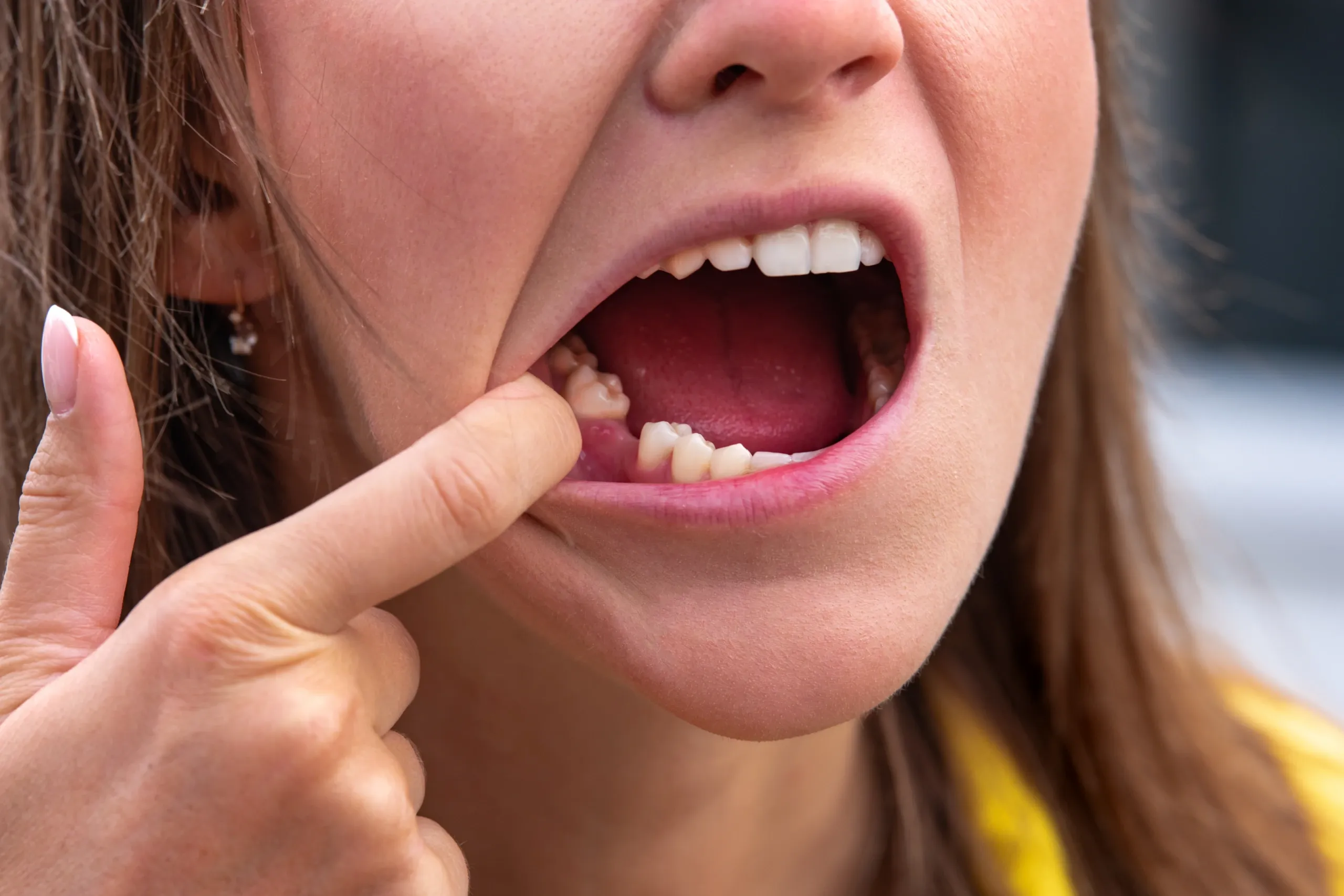
Missing Teeth Treatment in Lake Mary, FL
Restore your smile, your bite, and your confidence with lasting tooth replacement options at Enclave Dental.
Affects:Adults of all ages
Primary Risk:Bone loss and tooth shifting
Solutions Available:Implants, bridges, dentures
Treatment At:Enclave Dental, Lake Mary, FL
Overview
Understanding Missing Teeth
More than an aesthetic concern — missing teeth affect your health, bite, and quality of life.
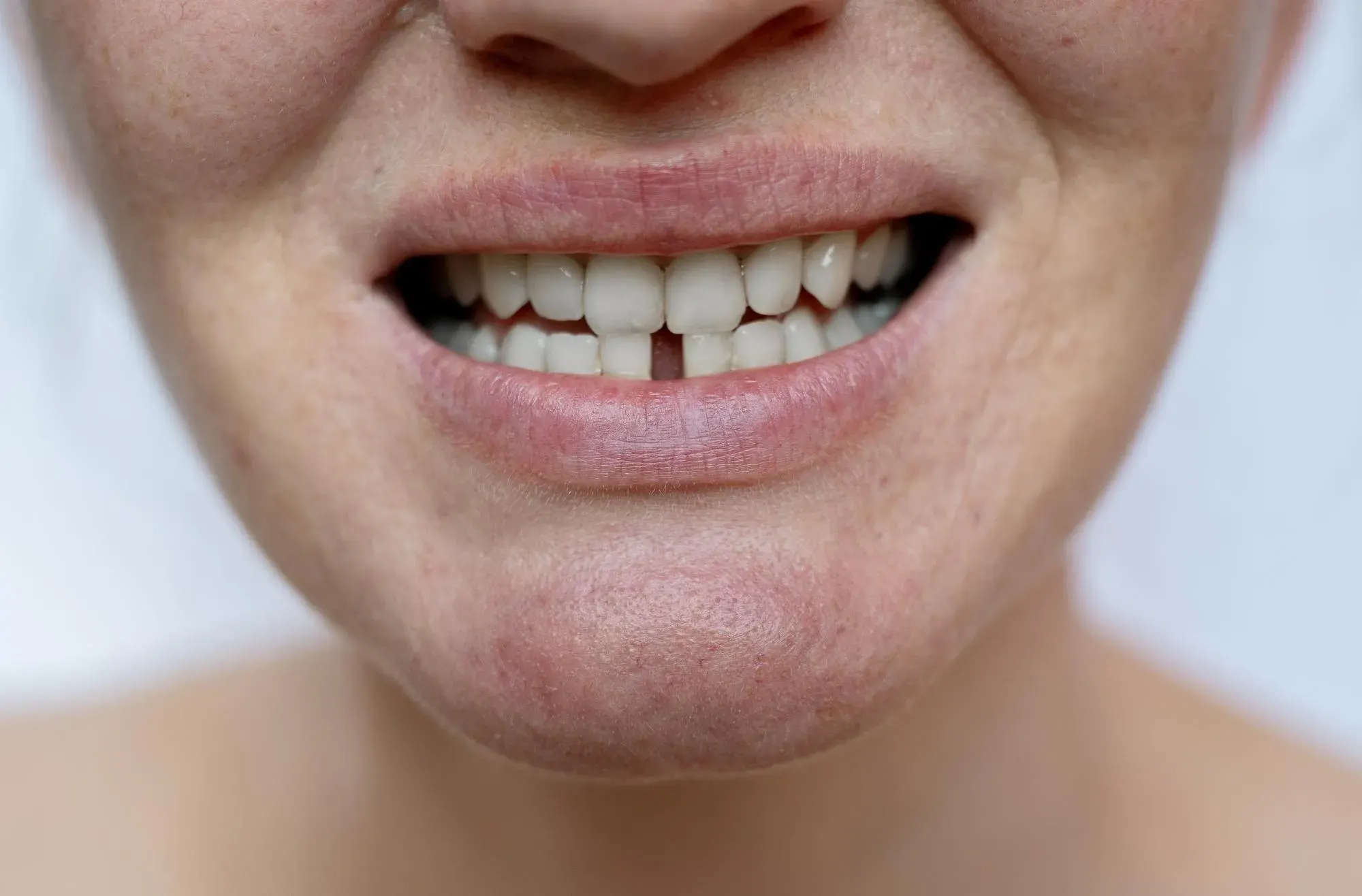
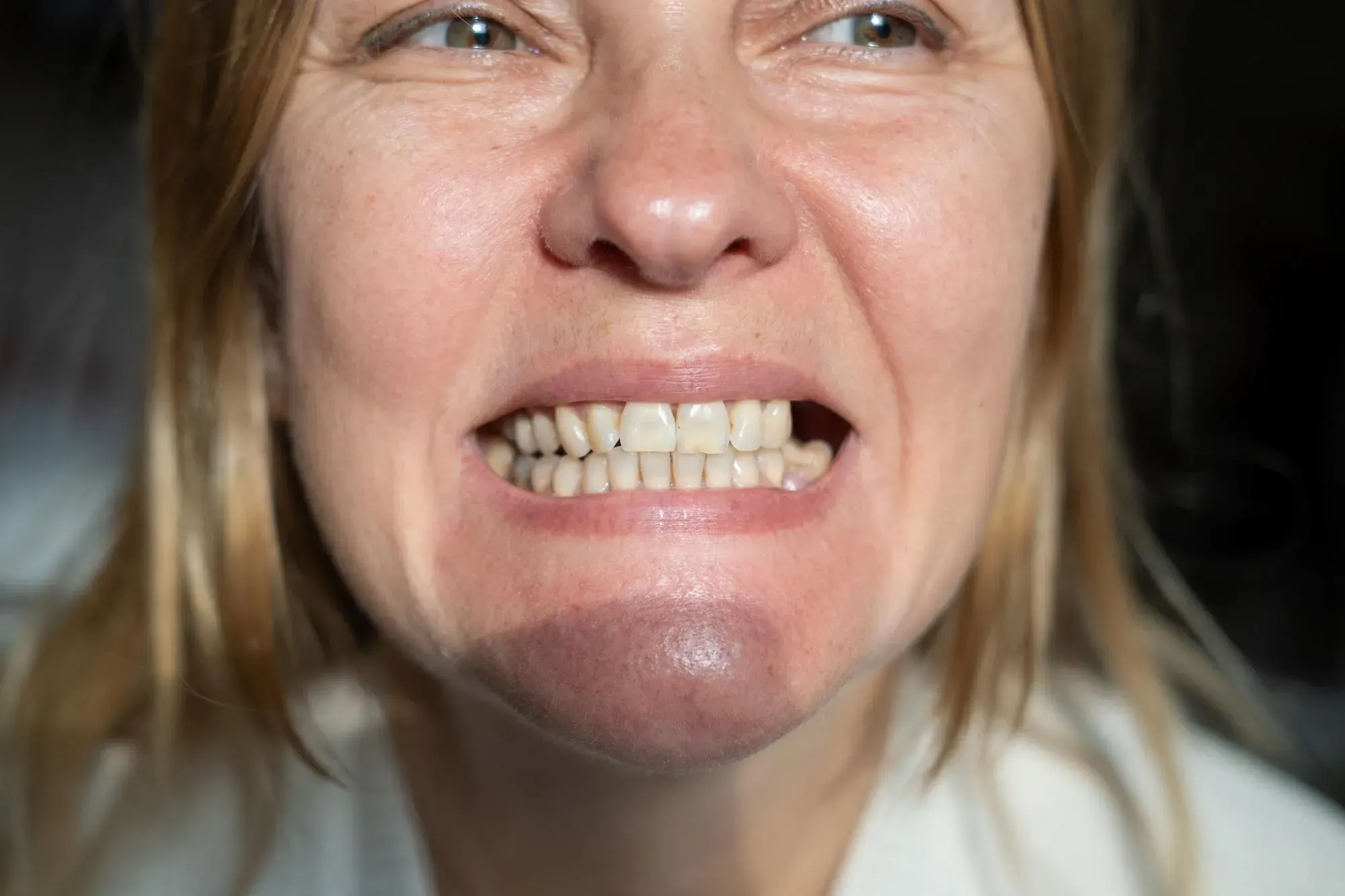
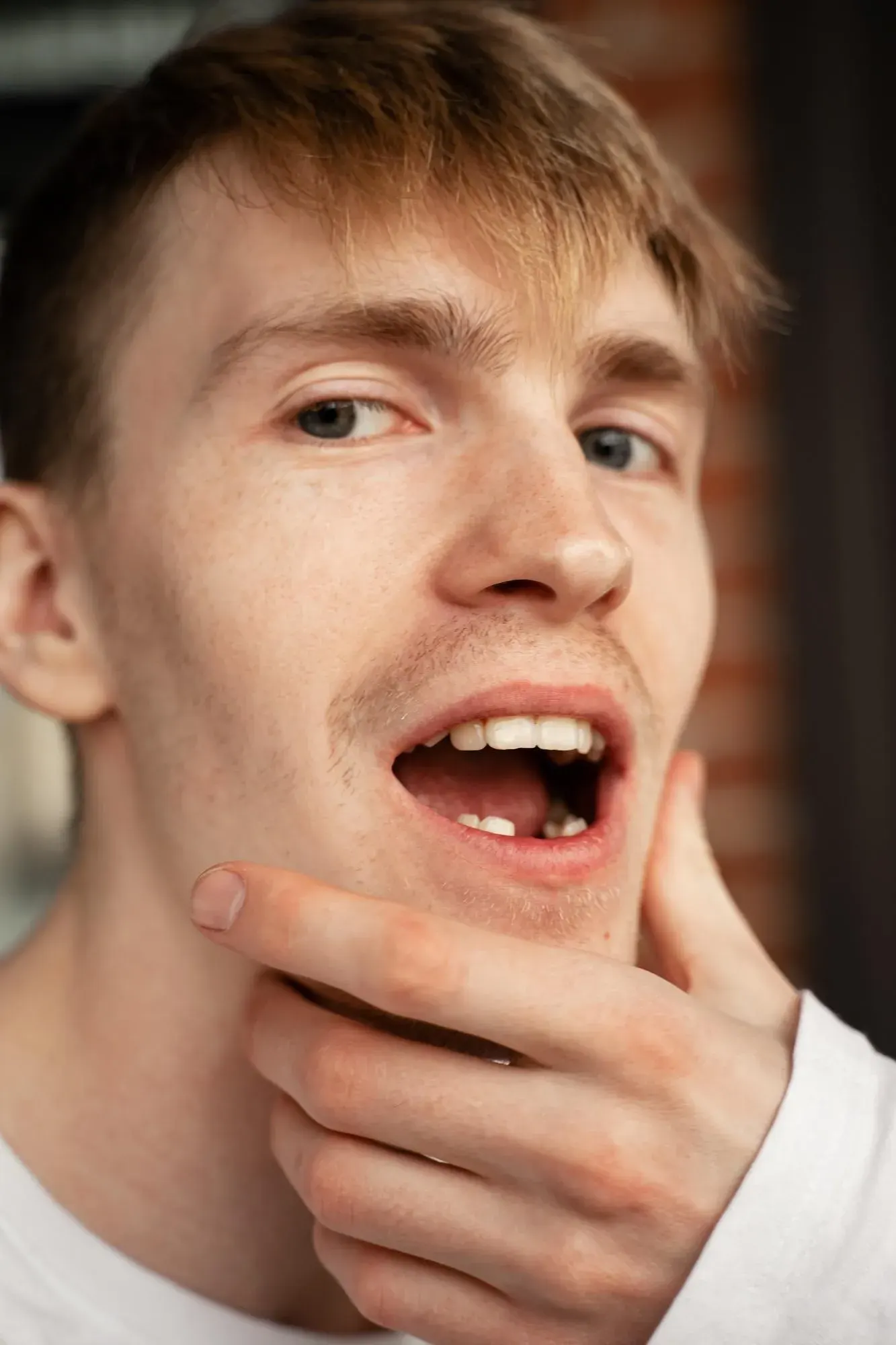
A missing tooth is never just a cosmetic issue. When a tooth is lost — whether from decay, gum disease, injury, or extraction — the surrounding teeth begin to drift, the jawbone starts to resorb, and your bite shifts in ways that can cause pain, difficulty chewing, and accelerated wear on remaining teeth. Studies estimate that nearly 120 million Americans are missing at least one tooth, yet many delay treatment, not realizing how quickly the effects compound over time.
At Enclave Dental in Lake Mary, FL, Dr. Shachi Shah takes a comprehensive approach to tooth replacement. Rather than offering a one-size-fits-all solution, she evaluates your bone density, gum health, bite alignment, and lifestyle to recommend the option that best fits your needs — whether that is a dental implant, a fixed bridge, or dentures. Patients from Sanford, Longwood, Altamonte Springs, Heathrow, Winter Springs, and Casselberry rely on Enclave Dental for honest, personalized guidance on restoring their smiles.
Causes
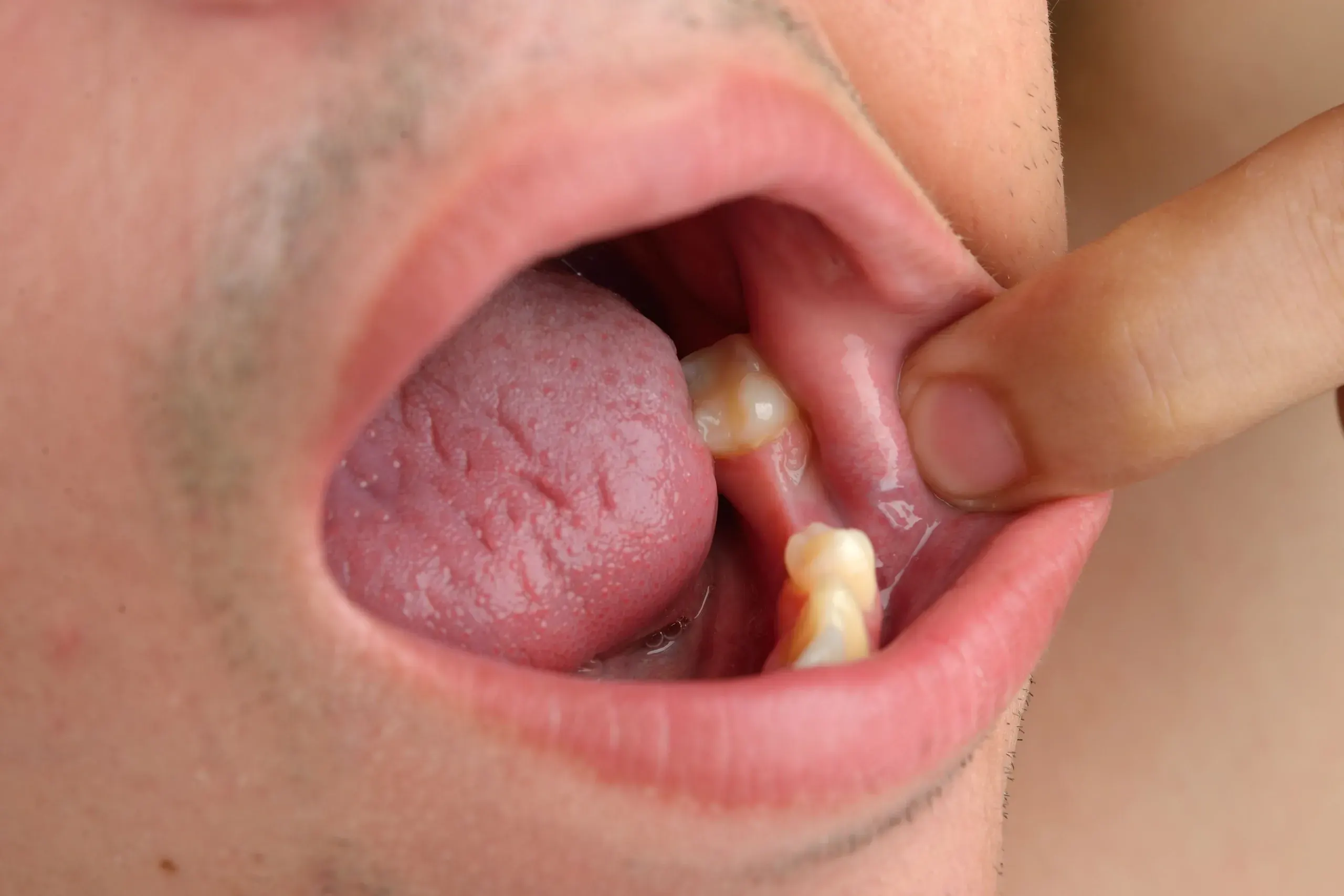
Common Causes of Missing Teeth
Understanding why teeth are lost helps prevent further loss and guides the right replacement strategy.
Why It Matters
What Happens When a Missing Tooth Goes Untreated
Delaying tooth replacement sets off a chain reaction that becomes increasingly difficult to reverse.
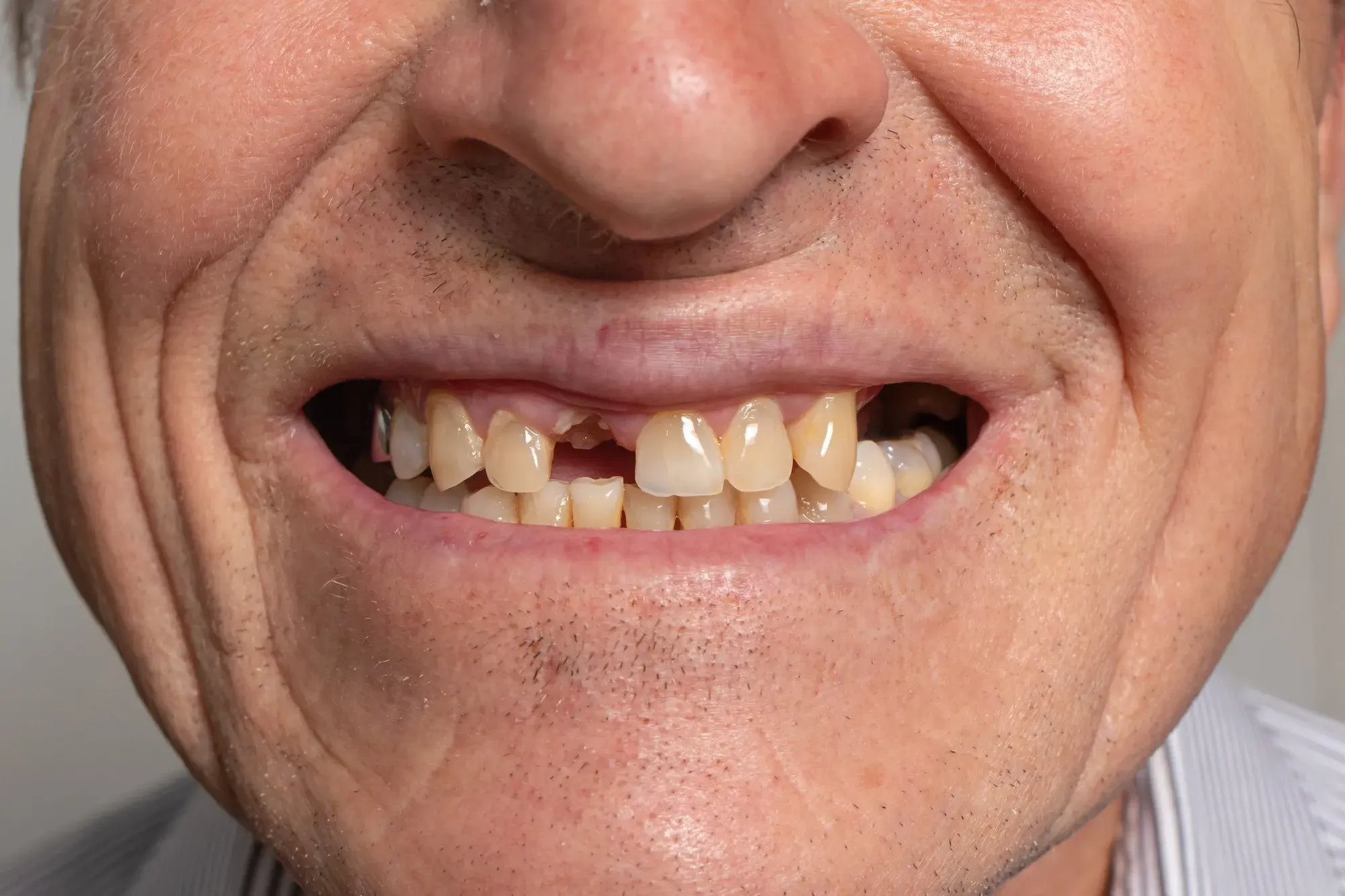
When a tooth is extracted or falls out, the jawbone beneath it no longer receives the stimulation it needs to maintain density. Within the first year, up to 25% of bone volume can be lost at the extraction site — and this process continues year after year. As the bone recedes, neighboring teeth begin to tip into the gap, and the opposing tooth often over-erupts, creating misalignment throughout the entire bite.
Over time, these changes accelerate wear on remaining teeth, increase the risk of TMJ dysfunction, and can alter facial appearance by causing a sunken look around the cheeks and chin. Speech can also be affected, particularly when front teeth are missing. For patients considering dental implants, early treatment is especially important — once significant bone loss has occurred, bone grafting may be required before an implant can be placed, adding time and cost to the process. Replacing a missing tooth promptly preserves your options and protects the teeth you still have.
Why Enclave Dental
Why Lake Mary Patients Choose Enclave Dental for Tooth Replacement
Expert care, honest recommendations, and every replacement option under one roof.
- All Options In One Practice
- Personalized Treatment Planning
- ADA, AGD & AACD Member
- Serving the Lake Mary Community
Tooth Replacement Options: Which Is Right for You?
Compare the three solutions Dr. Shah offers at Enclave Dental to replace missing teeth.
| Treatment | Best For | Procedure Time | Results Timeline | Maintenance |
|---|---|---|---|---|
| Dental Implants | Single or multiple missing teeth with adequate bone; best long-term value | 1–2 appointments + 3–6 month healing | Permanent after osseointegration | Brush and floss like natural teeth; no special care |
| Crowns and Bridges | 1–3 adjacent missing teeth; no desire for surgery; good anchor teeth present | 2 appointments over 2–3 weeks | Immediate on delivery; lasts 10–15 years | Floss threader under bridge; regular cleanings |
| Dentures | Multiple missing teeth or full arch replacement; most affordable entry point | 3–5 appointments over 4–8 weeks | Immediate on delivery; relining may be needed | Remove nightly; soak and brush; adhesive may be needed over time |

Is This You?
Signs You Need Missing Teeth Treatment
Recognizing the signs early helps preserve your remaining teeth and simplifies treatment.
- Visible Gap in Your Smile
- Difficulty Chewing
- Teeth Are Shifting
- Sunken or Hollow Facial Appearance
- Slurred or Changed Speech
- Recent Tooth Extraction
- Existing Denture Needs Improvement
Frequently Asked Questions About Missing Teeth Treatment
Answers to the questions Lake Mary patients ask most often.
01 What are my options for replacing a missing tooth in Lake Mary, FL?
At Enclave Dental, Dr. Shachi Shah offers three proven solutions: dental implants, crowns and bridges, and dentures. Dental implants are surgically placed titanium posts that fuse to the jawbone and support a custom crown — they are the closest thing to a natural tooth. A fixed bridge anchors to the adjacent teeth and spans the gap without surgery. Dentures are removable appliances that replace multiple or all teeth in an arch. During your consultation, Dr. Shah will review your bone health, gum condition, and preferences to recommend the best option for your specific situation.
02 What is the best replacement for a missing tooth?
For most patients with adequate bone and gum tissue, dental implants are considered the gold standard because they preserve jawbone, look and feel like natural teeth, and last a lifetime with proper care. However, the best option depends on your overall oral health, how many teeth are missing, your timeline, and your budget. A fixed bridge is an excellent alternative when surgery is not preferred or when bone volume is limited. Dr. Shah provides an honest, personalized recommendation at every consultation — she will explain the pros and cons of each option for your specific case.
03 How long can you go without replacing a missing tooth?
There is no safe window for leaving a tooth unreplaced. Bone resorption begins within weeks of an extraction, and neighboring teeth begin shifting within months. The longer you wait, the more bone you lose — which can eliminate the possibility of placing a dental implant without bone grafting, and cause additional teeth to become misaligned or damaged. While the urgency varies by the location of the missing tooth (front teeth shift faster than molars), Dr. Shah recommends scheduling a replacement consultation within 30–60 days of a tooth loss or extraction.
04 Does a missing tooth really need to be replaced?
Yes — even a single missing tooth should be replaced if at all possible. Beyond the aesthetic impact, an unreplaced tooth triggers jawbone loss, allows neighboring teeth to drift and rotate, and causes the opposing tooth to over-erupt. These changes accelerate wear and can lead to additional tooth loss, TMJ pain, bite problems, and changes in facial appearance over time. The only common exception is a missing wisdom tooth, which typically does not need replacement because there is no functional gap.
05 Can a missing tooth cause other teeth to shift?
Yes, and it happens faster than most patients expect. Teeth maintain their position through contact with neighboring and opposing teeth. Once that contact is lost, adjacent teeth begin tipping into the gap and the opposing tooth starts to over-erupt (grow downward or upward into the space). Even a small amount of shifting can disrupt your entire bite, making it harder to chew, increasing wear on enamel, and sometimes requiring orthodontic treatment to correct before tooth replacement is even possible. Early replacement is always the simpler and more cost-effective path.
Location3232 W Lake Mary Blvd, STE 1400
Lake Mary, FL, 32746
Lake Mary, FL, 32746
Emailinfo@enclave.dental
Phone(407) 323-1010
Ready to Start?
Schedule Your Consultation
Scientific References
- PubMed (PMID: 22251200) - Tooth loss is associated with accelerated alveolar bone resorption and significant shifts in neighboring teeth within the first year following extraction.
- PubMed (PMID: 26539397) - Implant-supported restorations demonstrate superior long-term outcomes for preserving crestal bone compared to conventional fixed bridges, with survival rates exceeding 95% at 10 years.
- PubMed (PMID: 17760576) - Epidemiological data indicate that periodontal disease and dental caries remain the two leading etiologies of tooth loss in adults, accounting for the majority of extractions in patients over 35.
- PubMed (PMID: 19732112) - Patients with one or more missing teeth show measurable decline in masticatory efficiency and dietary variety, contributing to nutritional deficits and reduced quality of life.
- PubMed (PMID: 28797570) - Fixed dental prostheses (bridges) and implant-supported crowns both restore functional occlusion effectively; patient satisfaction is highest when treatment selection accounts for bone volume, adjacent tooth health, and individual preference.