Consultation
Dr. Shah evaluates the tooth, selects a perfectly matched composite shade, and confirms the treatment plan.

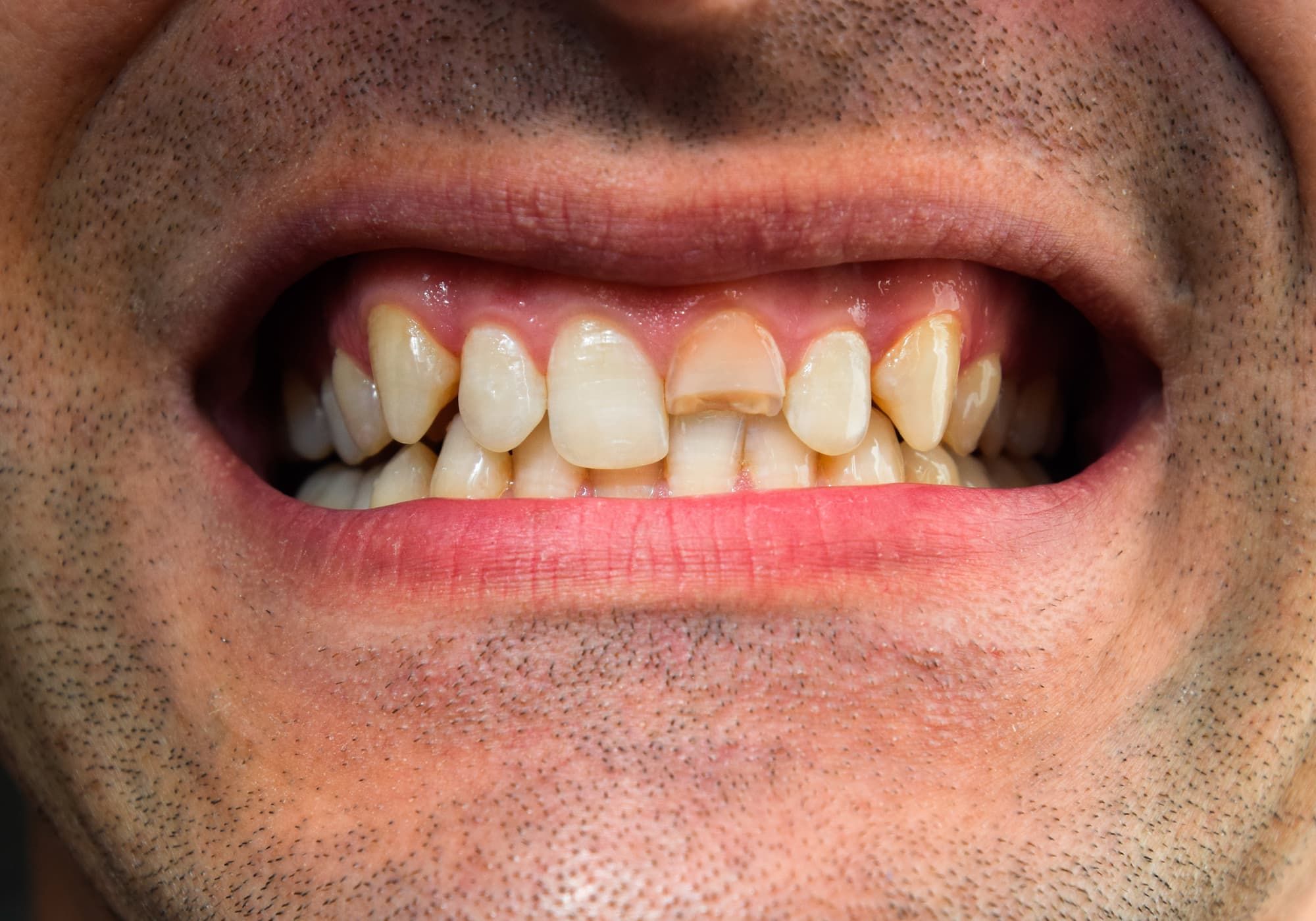
Fix chips, gaps & stains in one visit
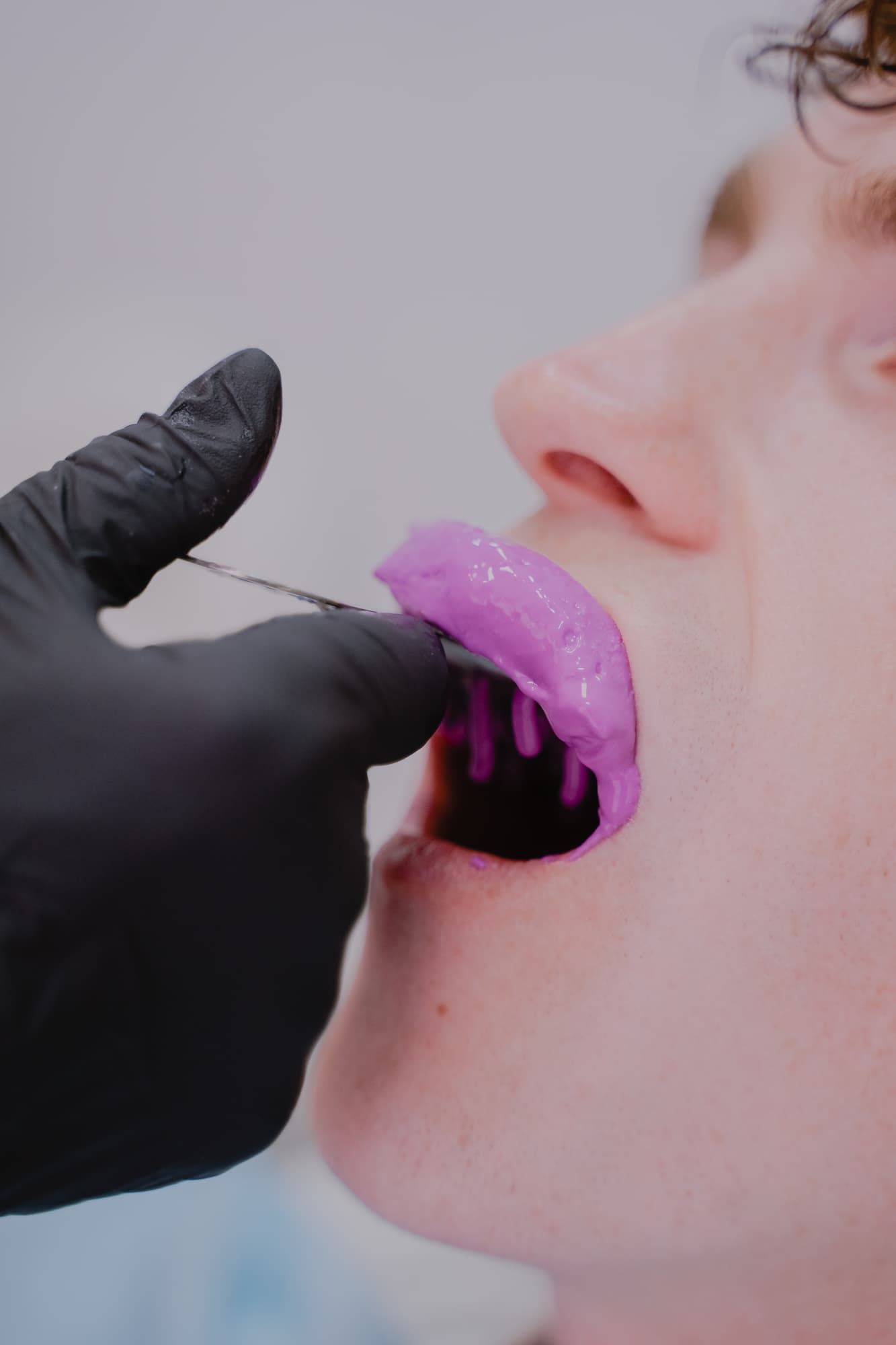
Cosmetic concerns deserve real solutions
Chips, cracks, gaps, and discoloration are among the most common cosmetic dental complaints — yet many patients assume fixing them requires expensive veneers, lengthy treatment timelines, or multiple visits. The result? People live with imperfections that quietly erode their confidence, avoiding photos, covering their mouths when they laugh, or holding back in professional and social settings simply because of one small tooth.
Dental bonding offers a fast, affordable, and non-invasive path to a repaired smile. Dr. Shah applies a tooth-colored composite resin directly to the affected tooth, sculpting and polishing it to blend seamlessly with your natural enamel. Most cases are completed in a single visit with no anesthesia required, no enamel removal, and no waiting period — just an immediate, natural-looking result you can show off the same day.
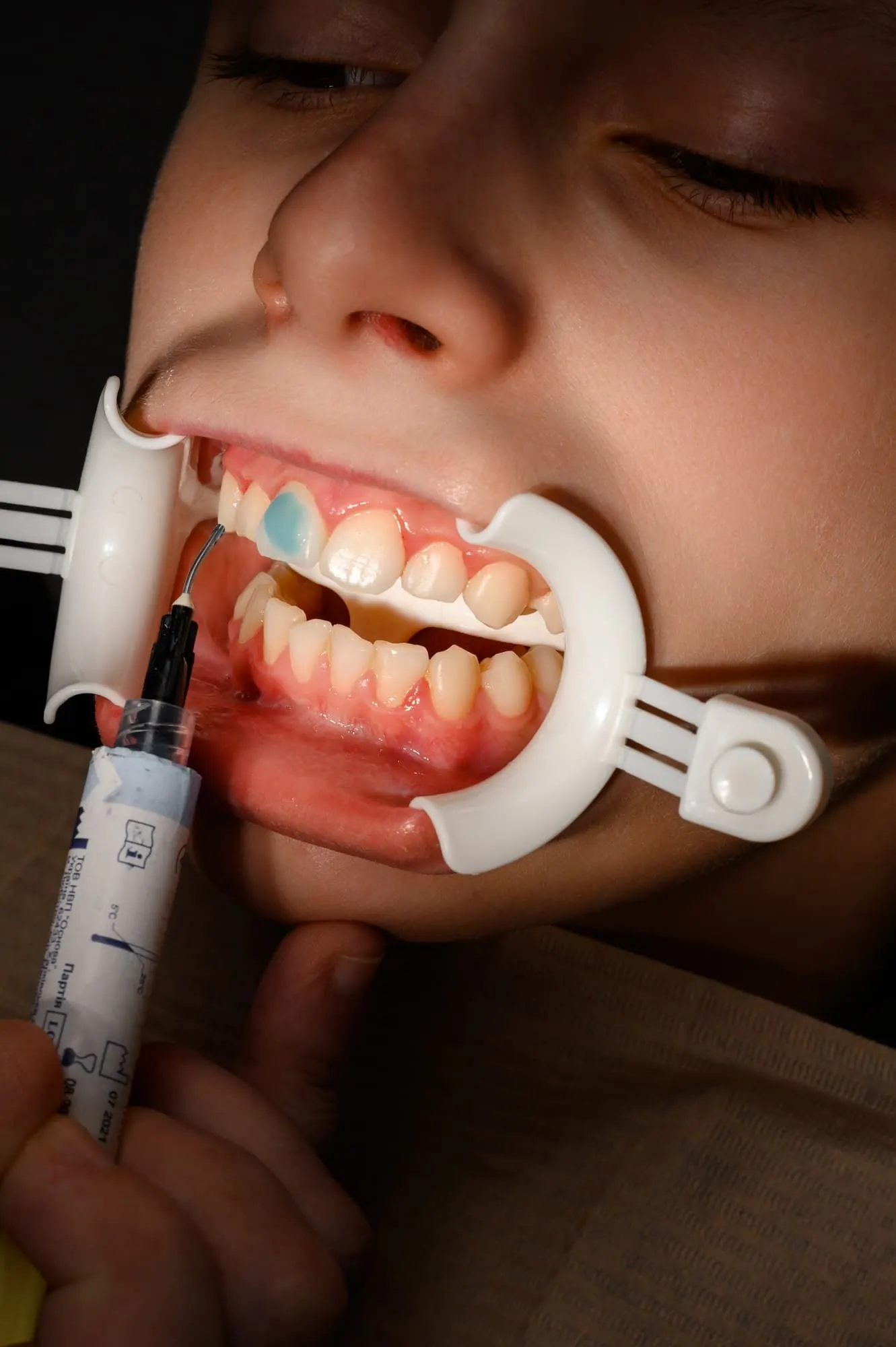
Composite resin artistry for cosmetic repair
Dental bonding is a cosmetic procedure in which a tooth-colored composite resin material is applied directly to a tooth's surface, shaped to correct the imperfection, hardened with a curing light, and polished to match surrounding enamel. Unlike porcelain veneers, bonding requires little to no removal of natural tooth structure and is completed in a single appointment without laboratory fabrication.
The composite resin used in bonding is a blend of plastic and glass particles that mimics the light-reflective properties of natural enamel. Dr. Shah selects a shade precisely matched to your teeth, then applies the material in layers — sculpting each one before curing it with a high-intensity LED light. The final step involves careful polishing to achieve a smooth, natural finish that is virtually indistinguishable from the surrounding tooth. Bonding bonds (adheres) to the enamel and dentin through a micro-etching process, creating a durable mechanical and chemical attachment.
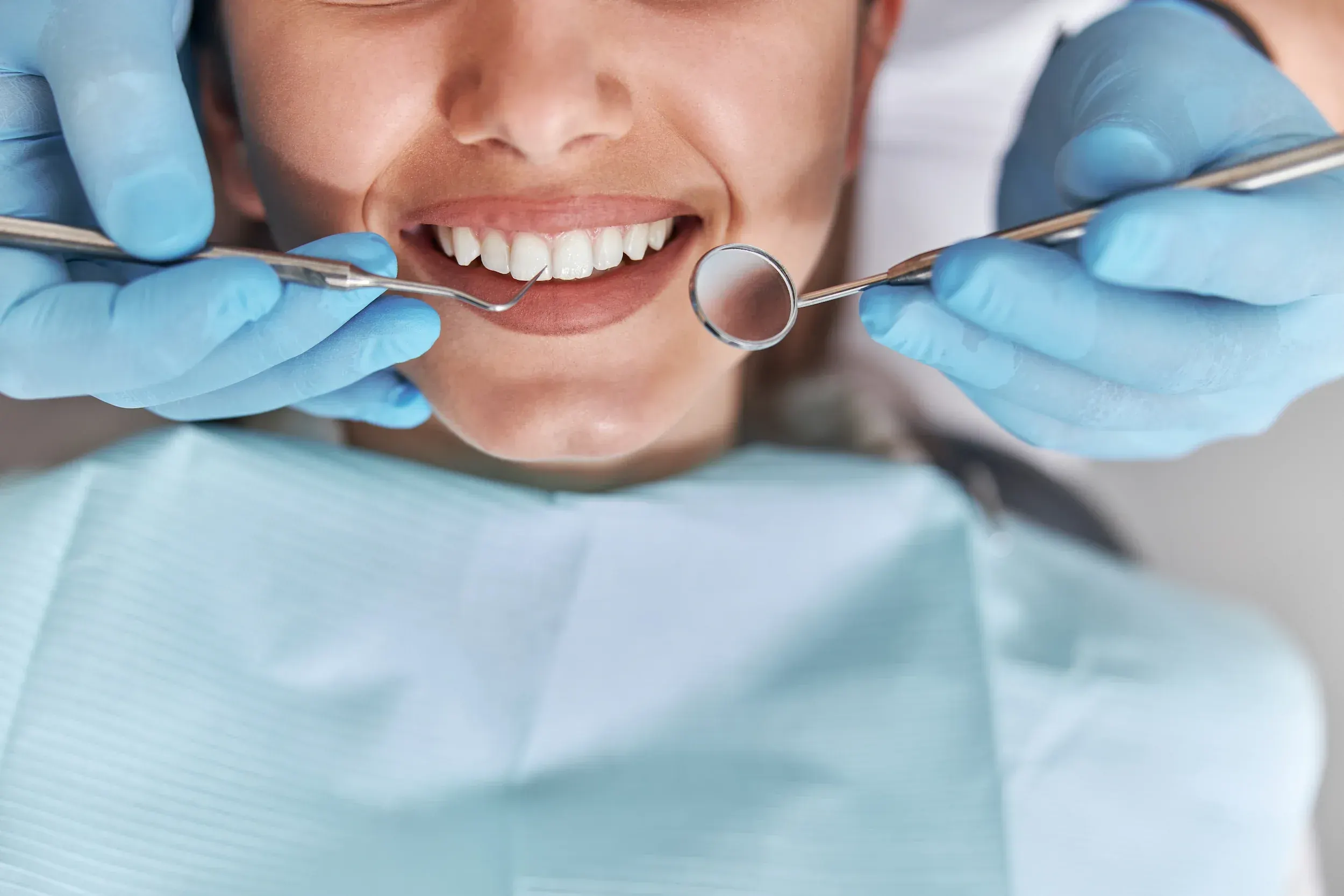
Fast, affordable, and reversible
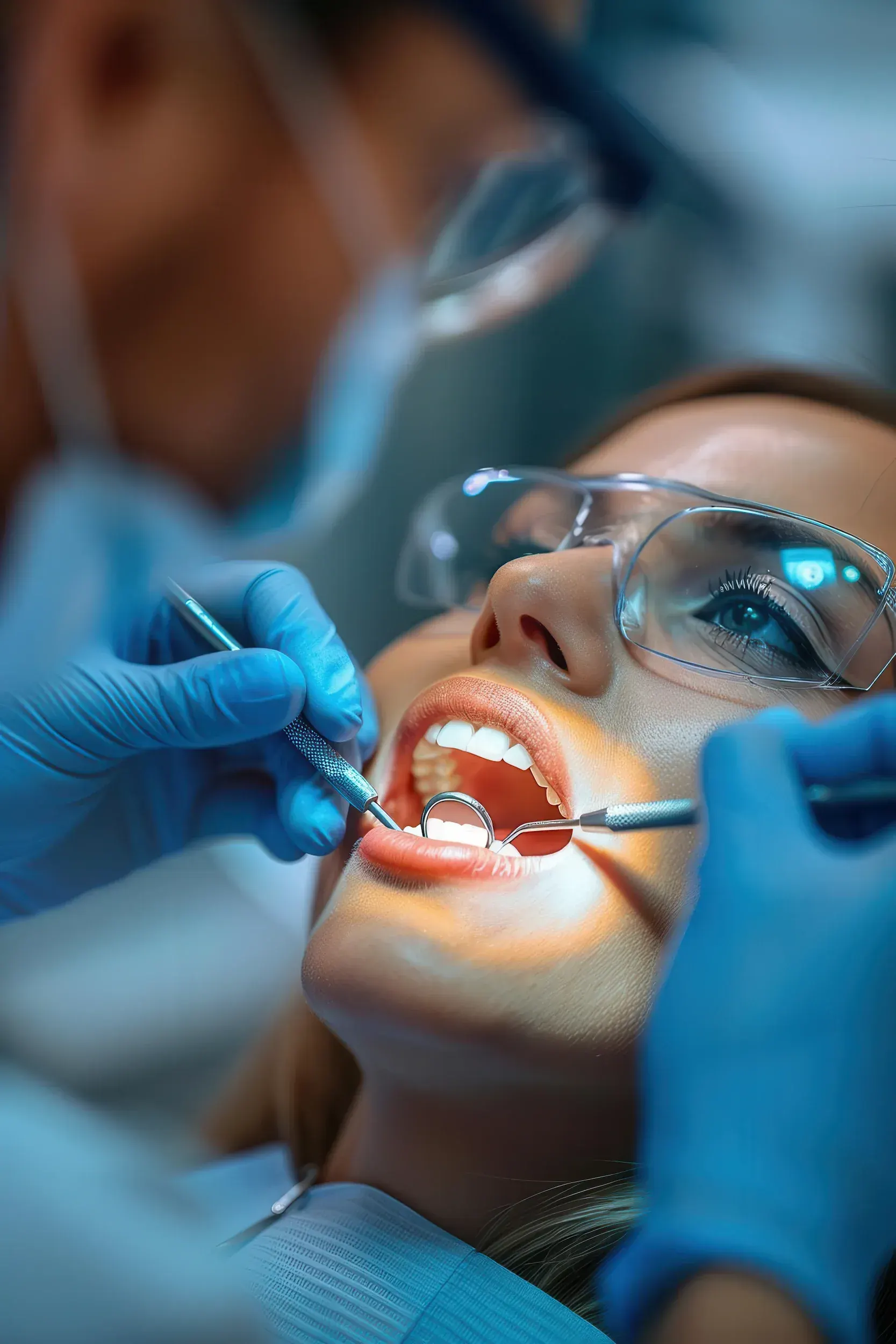
Walk in with a chip, walk out with a flawless smile — no lab wait required
Most bonding procedures are painless and completed without injections
Bonding preserves nearly all of your natural tooth structure
Significantly more affordable than veneers or crowns for minor cosmetic repairs
Shade-matched composite resin blends seamlessly with your surrounding teeth
Unlike veneers, bonding can be modified or removed without altering healthy enamel
Which option is right for you?
| Treatment | Procedure | Visits | Enamel Removal | Longevity | Cost Range | Best For |
|---|---|---|---|---|---|---|
| Dental Bonding | Composite resin applied directly to tooth | 1 visit | Minimal to none | 5–10 years | $ (most affordable) | Chips, cracks, small gaps, stains |
| Porcelain Veneers | Thin ceramic shells bonded to tooth front | 2–3 visits | Moderate (irreversible) | 10–20 years | $$$ (premium) | Comprehensive smile transformation |
| Dental Crowns | Full ceramic cap covering entire tooth | 2 visits | Significant (irreversible) | 10–15+ years | $$ (mid-range) | Severely damaged or weakened teeth |
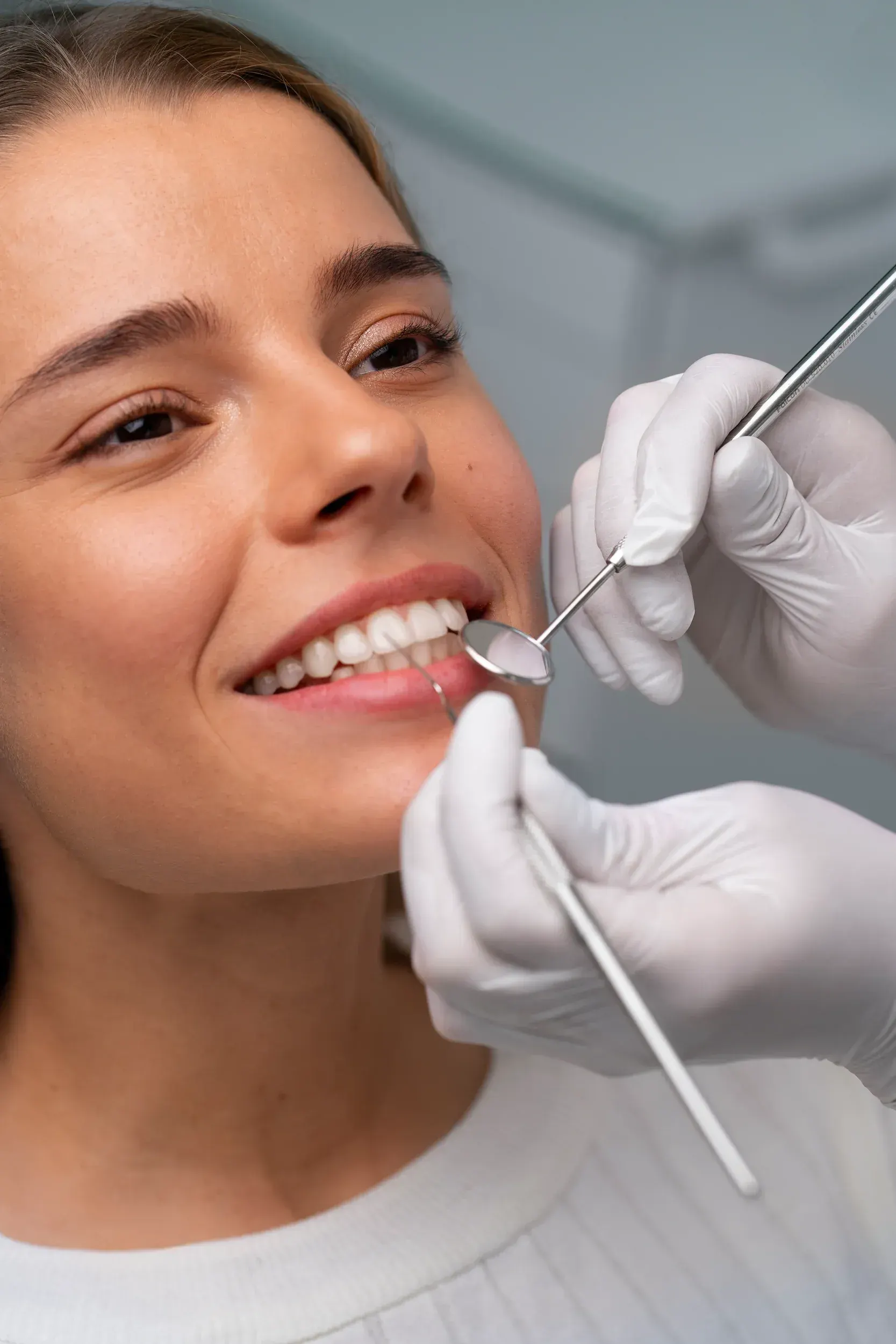
Healthy teeth with minor cosmetic concerns
Dental bonding is an excellent cosmetic option for patients with healthy teeth and gums who want to address minor aesthetic imperfections quickly and affordably. Dr. Shah evaluates each patient individually to confirm that bonding is structurally appropriate for their situation.
Dr. Shah will help you determine whether dental bonding, veneers, or another cosmetic option best meets your goals during a personalized consultation at Enclave Dental.
Dr. Shah evaluates the tooth, selects a perfectly matched composite shade, and confirms the treatment plan.
Dr. Shah lightly etches the tooth surface with a conditioning gel to help the resin adhere securely — no drilling needed for most cases.
Dr. Shah applies the composite resin in layers, sculpting each layer to restore the natural contour and bite alignment.
Dr. Shah uses an LED curing light to harden each resin layer, creating a strong, durable bond to the tooth structure.
Dr. Shah trims, shapes, and polishes the bonding to a smooth, natural-looking surface that blends seamlessly with your smile.
A safe, minimally invasive procedure
Dental bonding is one of the safest cosmetic dental procedures available. Because it typically requires no anesthesia and minimal enamel preparation, the risks are very low. However, patients should be aware of the following considerations:
Temporary Sensitivity: Some patients experience mild tooth sensitivity to hot or cold immediately after bonding. This is normal and typically resolves within a few days as the tooth adjusts to the new resin layer.
Chipping or Fracturing: Composite resin is durable but not as strong as natural enamel or porcelain. The bonded material can chip if subjected to excessive force — such as biting fingernails, chewing ice, opening packages with your teeth, or grinding. Patients with bruxism should discuss wearing a night guard to protect their bonding.
Staining Over Time: Composite resin is more porous than porcelain and can absorb stains from coffee, tea, red wine, and tobacco more readily than natural enamel. Avoiding these substances — especially in the first 48 hours after treatment — and maintaining regular professional cleanings will help preserve the appearance of your bonding.
Color Mismatch: If you plan to whiten your teeth in the future, discuss this with Dr. Shah before bonding. Composite resin does not respond to whitening agents, so the bonded material may appear darker than the surrounding teeth after a whitening treatment. It is best to whiten first, then bond.
Bonding is not reversible in the sense that removal may affect the tooth surface, though it is far less invasive than veneers or crowns. Dr. Shah will discuss all options with you at your consultation to ensure you make an informed decision.
Dental bonding is one of the most affordable cosmetic dental treatments available, making it an accessible option for patients who want meaningful smile improvements without the investment required for veneers or crowns.
| Treatment | Estimated Cost per Tooth |
|---|---|
| Dental Bonding (single tooth) | $200 – $600 |
| Dental Bonding (multiple teeth) | Varies — contact us for a personalized estimate |
| Porcelain Veneers (for comparison) | $900 – $2,500 per tooth |
| Dental Crown (for comparison) | $1,000 – $1,800 per tooth |
The exact cost of your dental bonding treatment depends on the number of teeth being treated, the complexity of the correction, and the amount of material required. Dr. Shah provides a detailed cost estimate during your consultation so there are no surprises.
Dental bonding is typically classified as a cosmetic procedure and is not covered by most dental insurance plans when performed solely for aesthetic reasons. However, if bonding is used to repair a tooth damaged by decay, trauma, or fracture, your plan may cover a portion of the cost. Our team is happy to review your benefits and help you understand what may be reimbursable.
Enclave Dental is committed to transparent, accessible pricing. We accept Cherry, Sunbit, and CareCredit, all of which offer interest-free promotional options. Call us at (407) 323-1010 or book online to schedule your consultation.
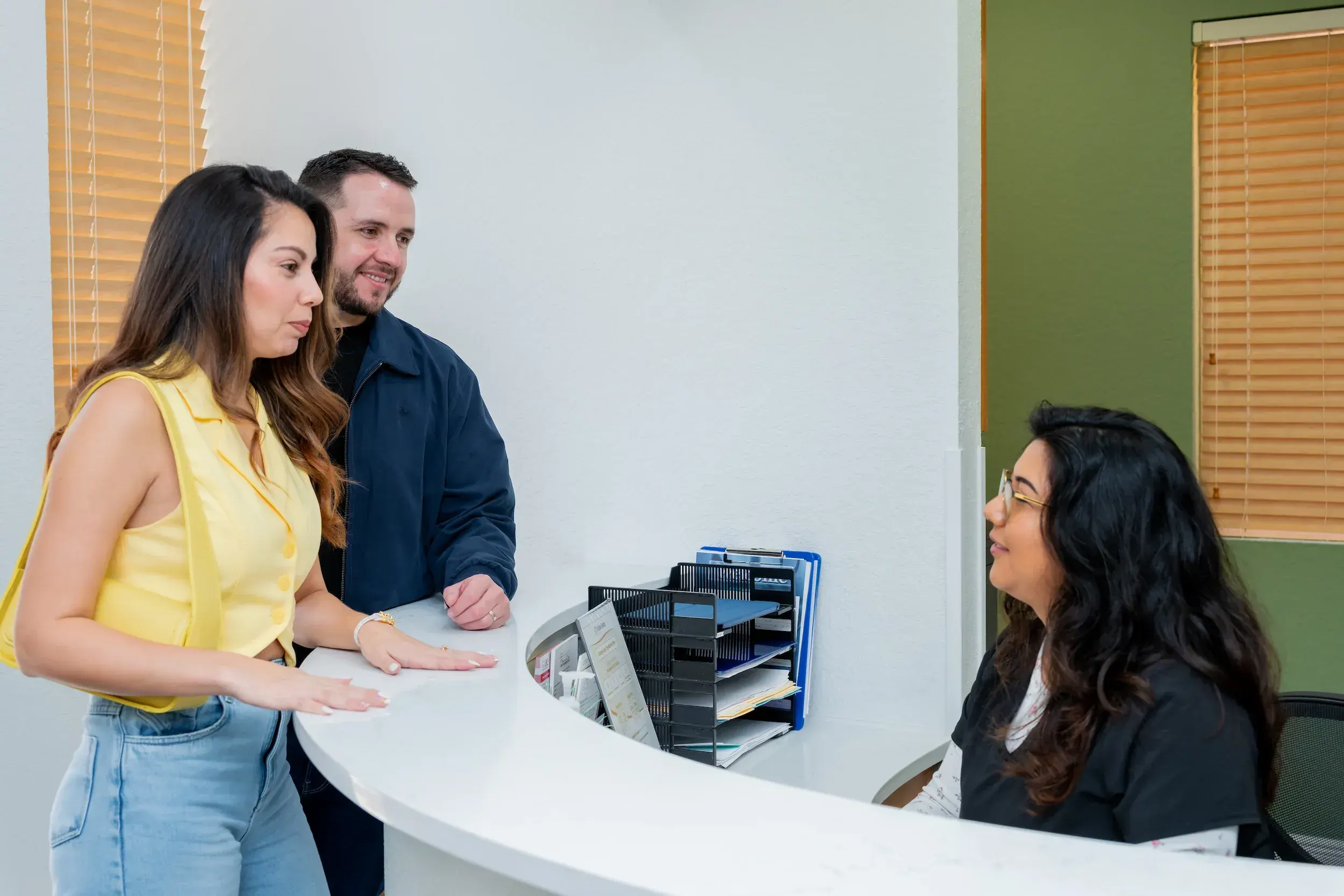
Precision cosmetics in Lake Mary, FL
Dr. Shah's cosmetic training meets the rigorous standards of the American Academy of Cosmetic Dentistry
Custom resin selection ensures your bonding blends invisibly with surrounding natural teeth
Most bonding cases are completed in one appointment — no temporaries, no multiple trips
Enclave Dental is a welcoming, anxiety-sensitive practice where every cosmetic concern is taken seriously
Answers to your most common questions
Dental bonding is a cosmetic procedure where Dr. Shah applies a tooth-colored composite resin directly to a tooth, sculpts it to correct chips, gaps, discoloration, or shape irregularities, and hardens it with a curing light — all in a single visit.
Dental bonding in Lake Mary typically ranges from $200 to $600 per tooth, depending on the extent of the correction. It is significantly more affordable than porcelain veneers or crowns. Dr. Shah provides a personalized cost estimate at your consultation.
With proper care, dental bonding lasts 5 to 10 years. Longevity depends on your bite, oral hygiene habits, and whether you avoid high-risk behaviors like nail biting, chewing ice, or grinding your teeth.
No. Dental bonding is typically painless and does not require anesthesia for cosmetic cases. Patients with sensitive teeth may notice brief mild sensitivity after the procedure, but this usually resolves within a few days.
Yes. Dental bonding can close mild to moderate gaps between teeth — particularly the front teeth — without orthodontic treatment. Dr. Shah adds composite material to the sides of the adjacent teeth to reduce the visible space.
It depends on your goals. Bonding is faster, less expensive, and requires no enamel removal — ideal for minor repairs. Veneers offer greater durability and color stability for comprehensive smile makeovers. Dr. Shah will recommend the best option at your consultation.
Cosmetic bonding is generally not covered by insurance. However, if bonding is used to repair damage from decay or trauma, partial coverage may apply. Our team can review your benefits and clarify what is reimbursable.