
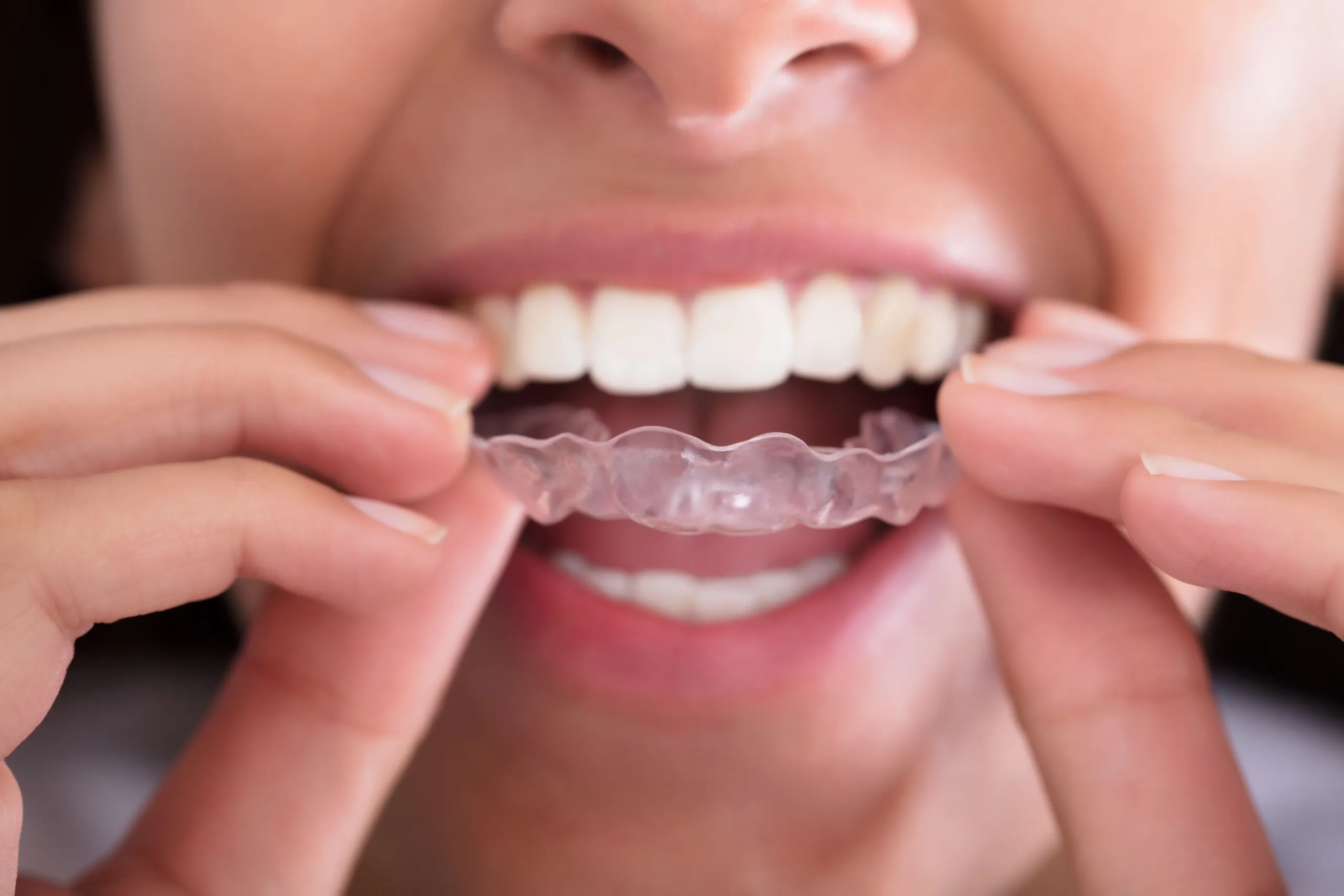

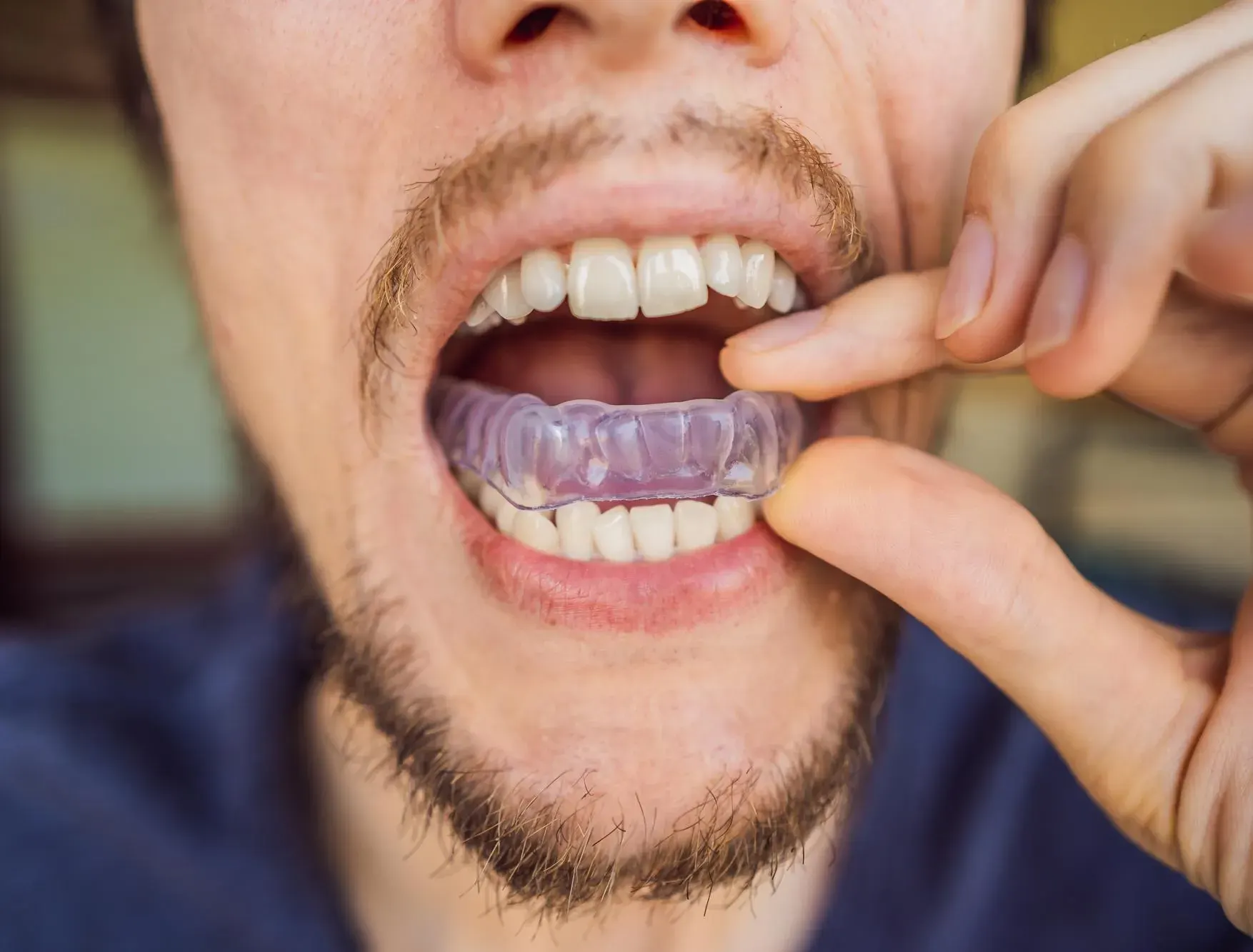
Patient consulting with dentist about teeth grinding treatment at Enclave Dental in Lake Mary FL

Teeth Grinding Treatment in Lake Mary, FL

Protect Your Smile from Bruxism Damage with Custom Night Guards

Also Known As:Bruxism
When It Occurs:Mostly during sleep
Common In:Adults under chronic stress
Primary Risk:Worn, cracked, or broken teeth
Dentist examining patient's teeth for signs of bruxism wear

Understanding Teeth Grinding and Bruxism

Bruxism Is More Common — and More Damaging — Than Most Patients Realize

If you wake up with jaw pain, headaches, or a sore face, you may be grinding your teeth at night — a condition called bruxism. Teeth grinding treatment in Lake Mary, FL is available at Enclave Dental, where Dr. Shachi Shah helps patients from Lake Mary, Sanford, Longwood, and Heathrow protect their smiles with custom night guards and targeted care.

Bruxism affects an estimated 8–16% of adults and most people are completely unaware they're doing it. The forces generated during sleep grinding can exceed 250 pounds per square inch — far greater than the normal bite force used for chewing. Over time, this wears down tooth enamel, cracks or fractures teeth, strains jaw muscles, and can lead to chronic TMJ pain. The earlier it's caught, the easier it is to prevent lasting damage.

At Enclave Dental, we screen for signs of bruxism during every exam and offer personalized solutions designed to fit your anatomy and lifestyle — so you can sleep soundly and wake up without pain.

Stressed adult grinding teeth during sleep illustration

Why Do People Grind Their Teeth?

Bruxism Has Physical, Psychological, and Lifestyle Triggers

Teeth grinding is rarely caused by a single factor. Most cases involve a combination of stress-related, physiological, and lifestyle contributors. Understanding your personal triggers is the first step toward effective treatment.

Common causes include chronic stress and anxiety, misaligned teeth (malocclusion), sleep disorders such as obstructive sleep apnea, caffeine and alcohol consumption, certain medications — particularly SSRIs — and genetic predisposition. Children can develop temporary bruxism during tooth eruption phases, while adults often develop it during high-stress life periods. In Lake Mary and surrounding communities like Longwood and Winter Springs, patients frequently report that work-related stress is a primary contributor.
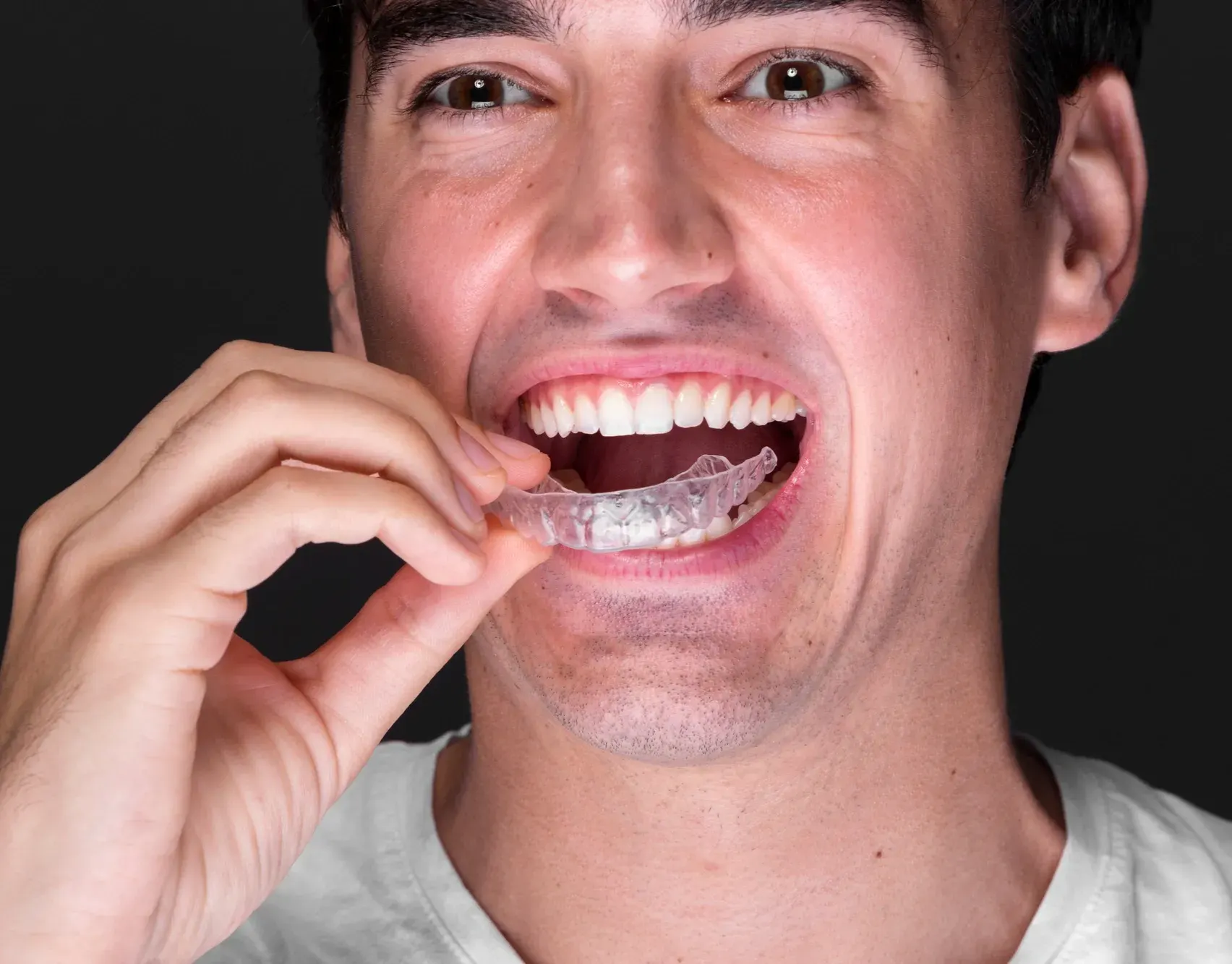
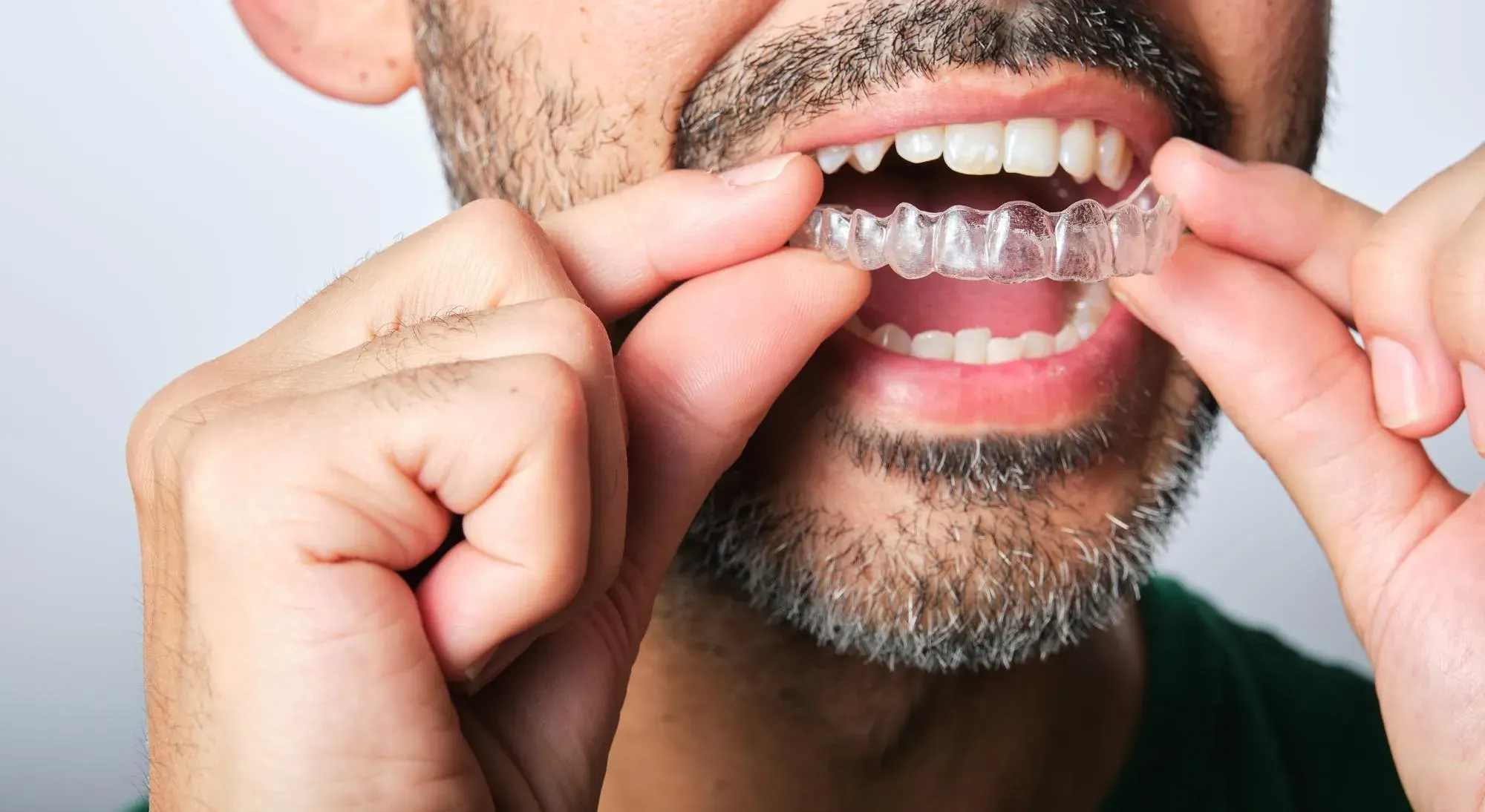
Close-up of worn teeth caused by bruxism

How Bruxism Damages Your Teeth Over Time

The Long-Term Consequences of Untreated Teeth Grinding

Most people think teeth grinding is just a nuisance — but untreated bruxism causes progressive, often irreversible damage. Tooth enamel is the hardest substance in your body, yet nightly grinding can wear it down by millimeters over months. Once enamel is gone, it does not grow back.

Patients with chronic bruxism frequently develop flattened or chipped teeth, increased tooth sensitivity, cracked or fractured teeth that require crowns or root canals, receding gums, loose teeth, and persistent headaches from overtaxed jaw muscles. TMJ dysfunction — pain and clicking in the jaw joint — is also a direct consequence of years of unmanaged grinding. Early intervention with a custom night guard from Dr. Shah can halt this progression entirely, often before significant damage occurs.

Diagram showing bruxism triggers including stress and sleep apnea

What Triggers Teeth Grinding?

Identifying Your Risk Factors

01

Stress & Anxiety

Emotional tension is the most common driver of bruxism. Many patients grind heavily during periods of work deadlines, relationship stress, or major life changes.

02

Sleep Apnea

Obstructive sleep apnea and upper airway resistance syndrome are strongly associated with sleep bruxism. Grinding may be the body's reflex to reopen the airway.

03

Bite Misalignment

When upper and lower teeth don't meet correctly (malocclusion), the jaw may grind unconsciously in search of a comfortable resting position.

04

Stimulants & Alcohol

Caffeine and alcohol both disrupt normal sleep architecture and increase nighttime muscle activity, significantly raising bruxism risk.

05

Certain Medications

SSRIs and other psychiatric medications commonly list bruxism as a side effect. If you started a new medication before symptoms appeared, mention this to Dr. Shah.

06

Genetic Factors

Bruxism tends to run in families. If a parent or sibling grinds their teeth, your risk is higher — making preventive screening especially valuable.

Dr. Shachi Shah reviewing treatment options at Enclave Dental Lake Mary

Why Lake Mary Patients Trust Enclave Dental for Bruxism Treatment

  • Precision-Fit Night Guards
  • Full-Mouth Evaluation
  • TMJ-Focused Approach
  • Restorative Backup

Bruxism Treatment Options at Enclave Dental

Choosing the Right Approach for Your Level of Grinding

Treatment Best For Session Time Results Timeline Maintenance
Night Guards Active nighttime grinders — all severity levels 1–2 appointments Immediate protection Annual check, replace every 3–5 years
Emface – TMJ Treatment Bruxism with jaw muscle tension and TMJ pain 30 min per session 4–6 sessions over weeks Maintenance sessions as needed
Dental Bonding Minor chips and wear from grinding 1 appointment Same-day restoration Touch-up every 5–7 years
Crowns and Bridges Severely worn, cracked, or fractured teeth 2 appointments Final crown in ~2 weeks Long-term; 10–15+ years
Patient waking up with jaw pain from overnight teeth grinding

Signs You May Be Grinding Your Teeth

Recognizing Bruxism Before Serious Damage Occurs

  • Morning Jaw Soreness
  • Frequent Headaches
  • Tooth Sensitivity
  • Flat or Chipped Teeth
  • Cheek or Tongue Biting
  • Clicking Jaw or TMJ Pain

Teeth Grinding FAQs

Answers from Dr. Shachi Shah at Enclave Dental, Lake Mary

01 How do I know if I grind my teeth at night?

Most people don't realize they grind until a dentist identifies wear patterns during an exam, or a sleep partner mentions hearing it. Common self-reported signs include waking up with a sore jaw, frequent morning headaches, and teeth that feel sensitive or look shorter over time. During your exam at Enclave Dental, Dr. Shah evaluates occlusal wear, enamel erosion, and muscle tenderness to confirm whether bruxism is present.

02 What causes teeth grinding?

Bruxism has several overlapping causes. Stress and anxiety are the most common triggers — the jaw tenses during emotional strain even during sleep. Sleep apnea is strongly linked to bruxism, as is malocclusion (a misaligned bite). Stimulants like caffeine and alcohol increase the likelihood of grinding, and some medications — particularly SSRIs — list bruxism as a known side effect. A thorough evaluation at Enclave Dental helps identify which factors are driving your particular case.

03 Can teeth grinding damage my teeth?

Yes — and significantly. The force generated during nighttime grinding can exceed 250 lbs per square inch. Over time this wears down enamel (which cannot regenerate), causes chips and fractures, leads to tooth sensitivity, and strains the jaw joint. Patients with long-term untreated bruxism often require crowns, root canals, or even extractions for severely damaged teeth. A custom night guard from Dr. Shah stops this cycle before major damage occurs.

04 How much does a night guard cost?

The cost of a custom dental night guard at Enclave Dental varies depending on the type of appliance and materials used. Hard acrylic guards generally range from $300–$700. Many dental insurance plans provide partial coverage for custom night guards prescribed for bruxism — our team will verify your benefits before treatment so you have a clear picture of your out-of-pocket cost. Over-the-counter guards are far less effective and can sometimes worsen bite problems, so a professional appliance is almost always worth the investment.

05 Does insurance cover a night guard for teeth grinding?

Many dental insurance plans cover custom night guards when bruxism is documented as a clinical diagnosis. Coverage typically falls under major restorative or preventive benefits, and some plans reimburse 50–80% of the cost after deductible. Enclave Dental's front office team will run a pre-treatment benefits check and explain your coverage before you commit to treatment. Call us at (407) 323-1010 or ask at your next appointment.

06 Can teeth grinding cause headaches?

Absolutely. The masseter and temporalis muscles — your primary chewing muscles — work continuously during nighttime grinding. By morning they're fatigued and inflamed, producing tension headaches that typically radiate from the temples and the back of the jaw. Many patients who suffer from unexplained morning headaches discover that bruxism is the cause after a dental evaluation. A properly fitted night guard often resolves these headaches within a few weeks of consistent wear.

Location3232 W Lake Mary Blvd, STE 1400
Lake Mary, FL, 32746

Schedule Your Consultation

Scientific References